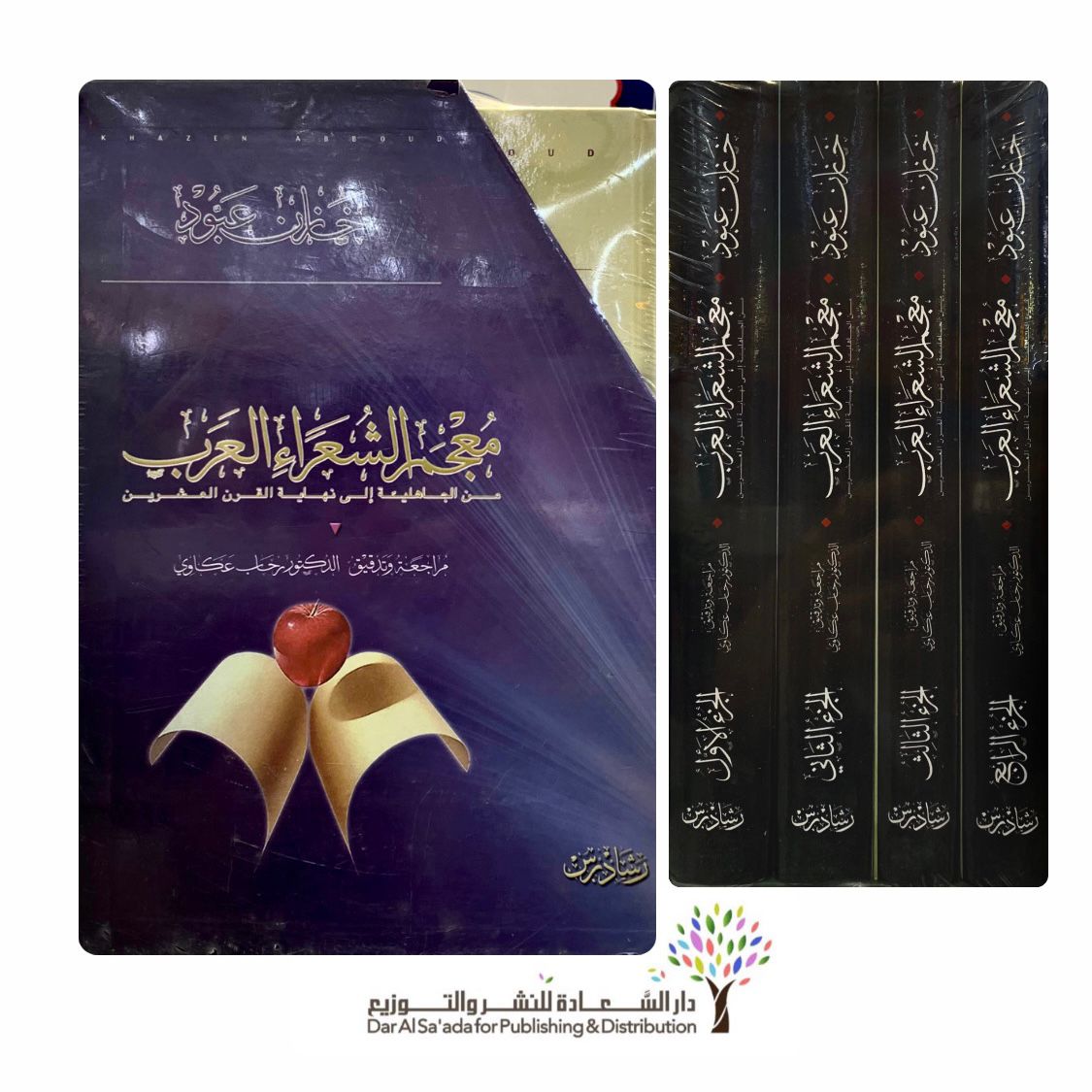
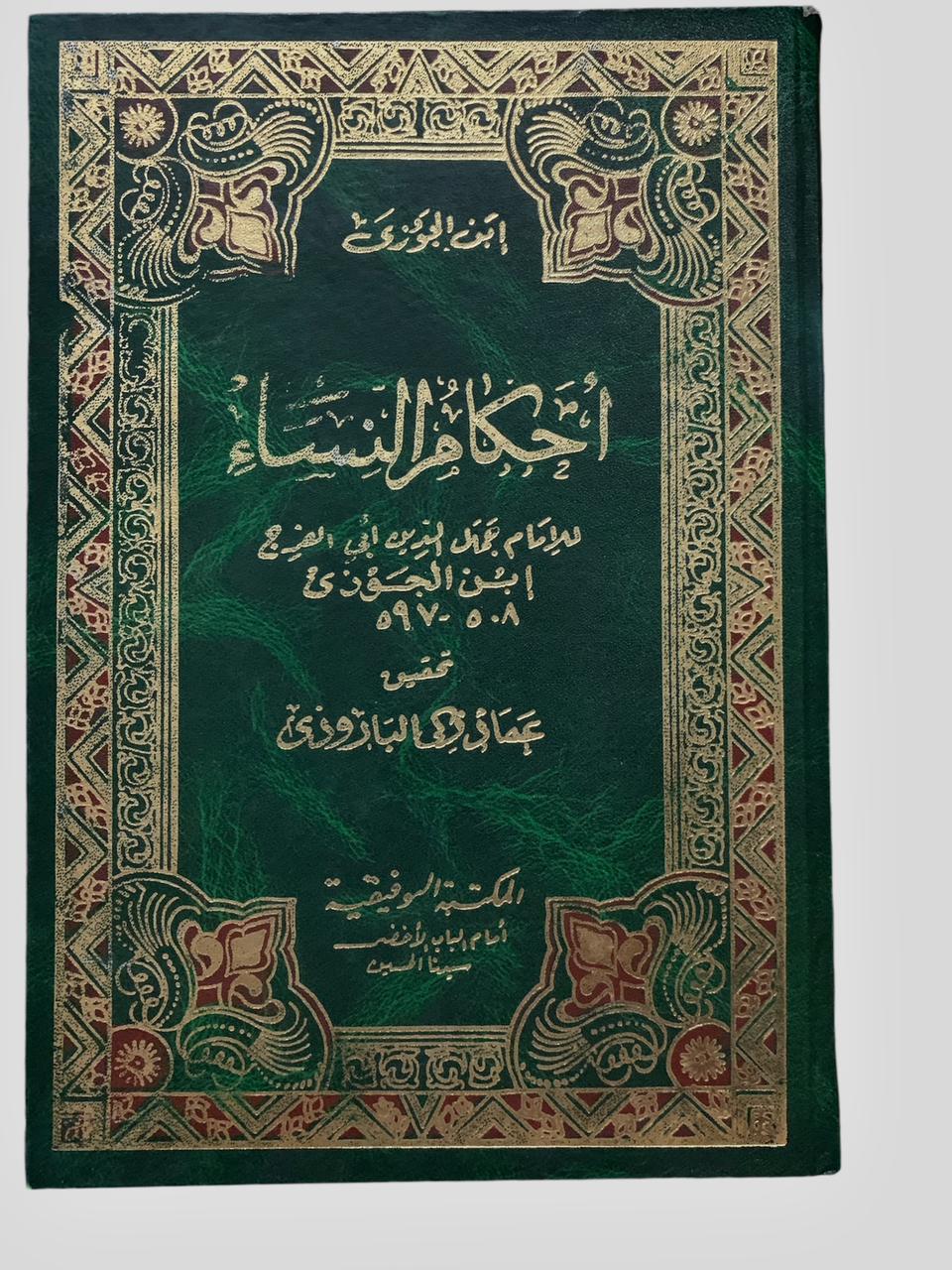
Mechatronics, as a science, is nothing but a combination of different engineering sciences It is used in the manufacture of most of the devices we use in our daily lives and is a tool for building the future and the knowledge economy based on innovation and the information revolution. Considering that the United Arab Emirates is a pioneer in strategies for education, reading, knowledge, innovation, and anticipating the future, this book expresses the vision of a generation looking forward to the sciences, applications, and innovations of the next century.
The novel tells about one week in the life of the Vaikai family, which embodies the nature of their life for many years. Husband Aakush Vaikai lives with his wife and daughter Patcherta in a house in a small, dull town called Charsaj. The reader soon learns that Bachirta is no longer young, but is thirty-five years old, and that she is very mean, which represents a great concern for the parents; She may never find a husband for herself, and they have reached a very old age, and death may take them at any moment. So their main concern was to hide their daughter's blood and protect her from the world. Excitement is great now in the family; Patcherta is preparing to travel to Tarku Farm, where her uncle Bella's family lives, to spend a week with them, and she will be away from them for the first time. The parents prepare their daughter for travel with fearful thinking. The parents haven't been going anywhere for a long time, and haven't been together for years. They go to church alone, and the reason is Bachirta's ugliness, which exposes them to severe embarrassment because people make fun of her. The parents drop Bachirta at the train station and say goodbye to her. During the week, parents feel more relaxed than they have ever felt before. Yes, they miss their daughter, but now they can meet old friends and hang out again without fear of any embarrassment. One time, the husband was playing gambling with his friends and drinking in a restaurant. He was very late, and the wife waiting at home did not know where he was, because he used to come home sometime before midnight. When the husband returns home, he quarrels with his wife. In a slightly drunk state, he speaks very frankly about his daughter's condition, which calls for ridicule, and says that perhaps it is better for them that his daughter travel and not be at home. It is clear from the mother’s words that she knows that the husband is right, because their daughter is ugly and very ugly, and therefore it is difficult for her to adapt to society or find a place for herself in it, but nevertheless she strongly defends her daughter, and tries to spread hope in her husband, and even in herself first. The week passes, and the parents head together to the train station to receive their daughter. The train is late and they start thinking bad things, but Bachirta arrives in the end. The father feels that all is not well with Bachirta. He knows that his daughter was, in fact, a burden to everyone on her uncle's farm, and she could not adapt there and even Uncle Bella's guests did not accept her. Patcherta lies on her bed in her room and starts thinking. He was surprised that her being away from home was in vain. She learned that although they welcomed her at the farm with love and treated her kindly, she was an obstacle in everyone's way. She turns the pages of her life in front of her, which only involves cooking, washing, and cleaning all her days. She begins to sob, and so that her parents do not hear her crying, she covers her mouth with her pillow, which is what she has done all her life. The novel deals with an issue that is widespread in our Arab culture now, which is the delay in the age of marriage for girls and the fear of spinsterhood, and discusses it from the perspective of the prevailing culture in Hungary in the second half of the nineteenth century. The novel also addresses some of the behaviors that occurred in society in that period and were strange to it at that time. It is denounced by the majority of people, especially the elderly who grew up in a world with better morals.
With a suitcase in hand, and the wrap in which her daughter Kaya sleeps on her back, Ingrid Barrowe sets off from the island that bears her name, on a journey across Norway to search for her child's father. And everywhere you go, you ask one question: Does anyone remember a Russian who fled across the mountain during the last winter before the war ended?
During her journey, and through her meetings with many people, Ingrid realizes that war leaves its scars on people, but peace also works with memory. Will you find the person you are looking for? How well does she really know about the man she's risking everything to find?
"The Eyes of Rigel" is a poetic and harsh story about a post-war people, and about people's destinies, told from the perspective of an extraordinary woman who slowly discovers that the truth is the first casualty of peace.
After the death of his father, Geronimo Frank, the scion of a wealthy Austrian banking family, decides to break from his family's traditions and move to live on a small island in the Adriatic Islands, and to reopen the large store there. Despite the tragic legend associated with the marriage of the previous store owner, which befell the new owner, He succeeds in preparing for marriage to the most beautiful girl on the island, Alia Aymar.
During the preparation for this legendary wedding, Rino Kubita, the young revolutionary and son of the island's popular hero, becomes aware of the existence of arrangements for an Austrian invasion of this island, so he organizes a resistance squad to kill the invading soldiers.
Between the preparations for the wedding of the century, as described by the islanders, and the fluctuating feelings of Alia Emar, who loves music, and the anticipation of some of the islanders for the retaliatory invasion of the dead soldiers, Scarmita narrates in his charming and sarcastic style about the preparation of an entire continent for world war, and about a strange asylum journey to the safe paradise, Chile.
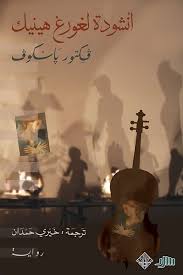
Georg Hennick is a famous violin maker. When his life was coming to an end, he decided to resist oblivion and challenge life as a whole, in the name of art, by making an unconventional violin, unlike any musical instrument made before, to fill the universe with unrepeatable tones. As for Victor, the child who tells us this story, he met Grandpa Henik for the first time on his fifth birthday, when he got his first violin. He then met him many times later, and a great friendship developed between them.
In this novel, Victor Baskov writes, in a musical style, a warm story about art, the passage of time, the shadows of loved ones, and Bulgarian society and its diversity.