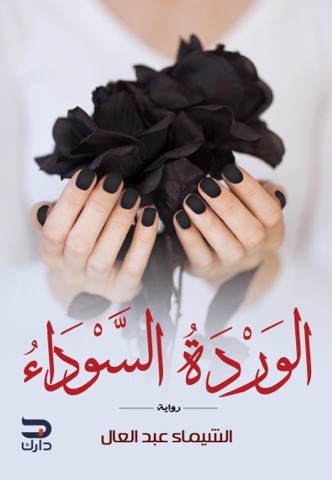
what Brother ...
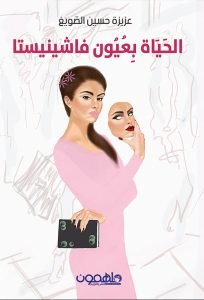
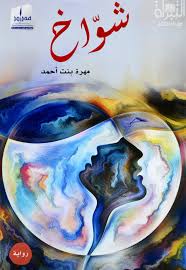
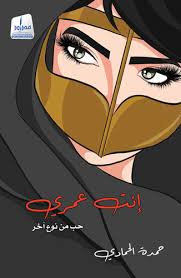
Shawakh has never confided these secrets to anyone, which she buried in a very remote spot where no one can reach, but she realizes that painful secrets do to the soul what obesity does to the body. She must get rid of it before she becomes a victim without realizing it.
It later became clear that Dr. Muhammad Ghaleb specializes in treating soldiers after they come from war, saving them from the bloody nightmares that haunt them, from the pain of loss, from the panic attacks that afflict them if a balloon explodes in the hand of a child, from excessive sweating and a pale face if a metal spoon falls. On a marble surface.. Therefore, he could not look at Shawakh’s concerns, even though her struggle was real, but the doctor needed death, blood, devastation, and the sound of shelling and bombs... to acknowledge the existence of the conflict!
As for Shawach, her conflict was distracting, over this question, “How is it possible for two people to inhabit a body?”
Mahra bint Ahmed...
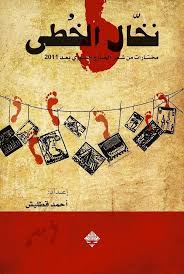
This book collects selected texts by twenty-one male and female poets from different cultural and social backgrounds, regardless of the reasons and ways they left Syria, even though most of them left after the outbreak of the revolution in early 2011. Today they live in various countries in the Arab world and outside it, and many of them live in Germany especially.
These selections are an attempt to shed light on the Syrian poetic experience emerging in exile, which carries within it the diversity of poets’ styles, experiences, opinions and ages, and presents a picture of the reality of Syrian poetry abroad, without evaluating it, but rather as a witness to the changes occurring in poetry and parallel to the changes in the earth. Although the features of this experience have not yet crystallized, it demonstrates effective attempts to take Syrian poetry to other directions that will inevitably lead to new places in Syrian writing.
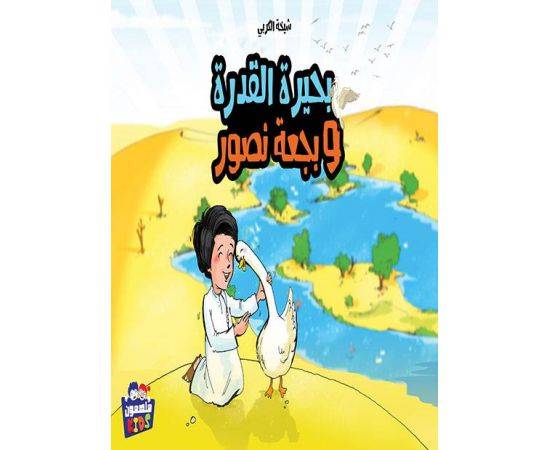
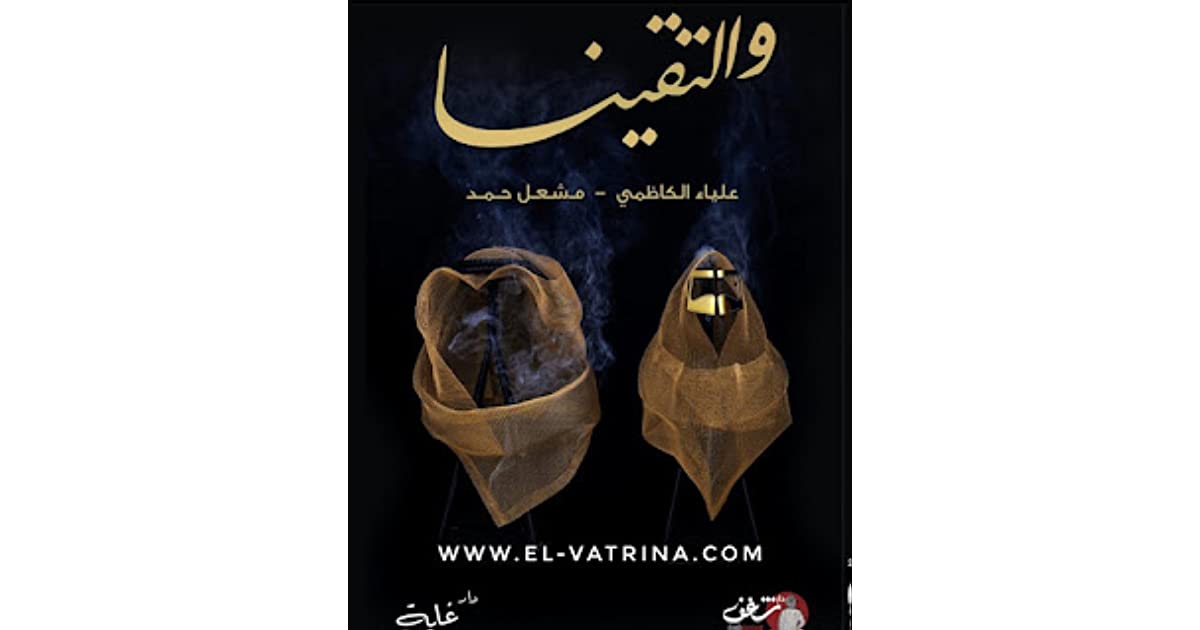
About the story: The story of a beautiful girl who came from the land of the Nile and married (Atej). She lived in Fareej Al Murar, before settling in the Al Twar area. She adapted to the spectrum of Emirati society. She gave birth to girls and boys and had grandchildren. She was proficient in cooking, cooking, and Emirati ramsa. Her story is a collection of stories, her heroes and her children. The eight.