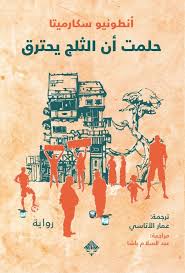
Under the roof of a modest hostel in a poor neighborhood in the Chilean capital, a strange group of guests meets, including workers, trade unionists, students, traffic police, and performance artists. Let them all witness the last days of the rule of the Popular Union headed by Salvador Allende, before the bloody coup led by General Pinochet took place and changed the history of Chile forever. Thus, this hostel turns into something similar to an operations room through which some Chilean leftists try to protect the socialist government and stand up to fascism. And among all of them, Arturo, the braggart and virginal football player, coming from the south to the capital, and burdened with dreams of fame and unsatisfied desires, tries to discover himself and determine his position on everything that is happening around him.
“I Dreamed That the Snow Was Burning” is the first novel by Chilean writer Antonio Scarmeta, and one of his most important works. In it, the features of a special, diverse style are established in terms of rhythms and narrative techniques, in which imagination blends with reality, and in which sarcastic humor alleviates the harshness of dramatic events. The book is a living document of the dialogues, conflicts, and popular mood that prevailed in Chile at the most pivotal moments in its history.
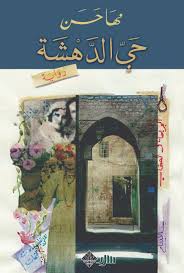
“Amazing is a hidden treasure in Aleppo,” says one of the novel’s heroines. In her work, Maha Hassan tries to bring this amazement through writing and memories to re-draw Aleppo and its ancient popular neighborhoods, its rituals of living, the simplicity of its people, and their small dreams, before the war comes and destroys all of this in its path.
Relying on a unique technique inspired by the names of Arab and international novels and the titles of the chapters, the heroes of “The Amazing Neighborhood” tell us their story from “Zarqa’s Imagination” and “Beirut Nightmares” to the house of “Sleeping Beauties.”
It is a story about love, childhood memories, intentional killing, the emotional placenta, and the role of literature in our lives