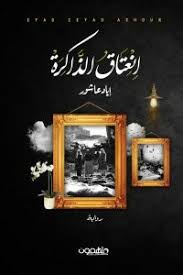
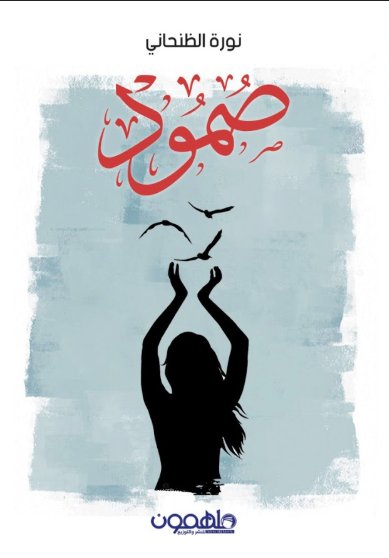
يبدأ المؤلف كتابه بعد المقدمة بعنوان (حياة الحب)، وخاطب فيه حبيبته، ومازج بين وصف الطبيعة بفصولها الأربعة؛ الربيع، الصيف، الخريف والشتاء، وبين تعبيره عن حبه لمحبوبته ورغبته في بقائها إلى جانبه، ويعدّ فن وصف الطبيعة واحداً من أشهر وأهم المواضيع الشعرية والنثرية، وجليّ في الكتاب أن استخدم الكاتب هذا الفن بطريقة غزلية، .
Scenario planning...Applications in anticipating the future.
45 AED
45 AED
0 Reviews0 sold
Product Details :
Scenario planning... The institution is an entity with a system capable of achieving its goals within its work environment, which is also an entity with a system. The understanding of this book that we present to those interested in practices of anticipating the future is based on this basic understanding of the concept of the organization’s entity and the entity of its work environment. The other concept that emerges within the opening sentence is the concept of system, meaning that both entities are systems that interact with each other and affect each other, sometimes positively and sometimes negatively. What we mentioned above does not represent a scientific discovery, as it has existed and been effective since man invented the concept of the institution hundreds of years ago. What we want to highlight in our book are the developments that have occurred in recent years in the behavior of the work environment entity, and how the organization’s entity or system must deal with them. Institutions' neglect or indifference to changing behavior in their external environment is without a doubt fatal to them, whether they are governmental or private institutions. What is new in the behavior of the external environment of institutions is its tendency toward turmoil in its various constituent sectors, including its economic, political, technological, and other sectors.
What happens when we die? Is there a second life after death? Why does everyone talk in their dying moments about a tunnel of light at the end?
Can insects read? What does a Tibetan monk do in a high school? Was Newton just a mathematician? How do we save the world?
And most important of all, does she reciprocate his admiration?
Many important questions that need to be answered, and who is more capable of doing that than a high school student who believes that he is the best musician in the world, and with a little help from his coffee-loving grandfather (even if he is dead... a little).
After the enthusiastic revolutionaries attacked Hoshanak's house and burned musical instruments, books, and all the things they considered forbidden, he decided to leave Tehran, taking his wife, Rosa, his two sons, Sohrab and Beta, and the third daughter, Bahar, to settle in a distant village, hoping Preserving their intellectual freedom and their lives. But they soon find themselves caught up in the chaos of the 1979 Iranian Islamic Revolution sweeping the country.
The fates of all family members change, and they are divided between pain and memory, between the world of the living and the world of the dead, and the times, events, and narrative spaces that “Bahar” narrates intersect, mixing violence and brutality with mysticism, meditation, magic, and myths, invoking oral narrative traditions to confront cruelty with the power of imagination.
Shortlisted for the International Booker Prize in 2020, Green Plum Tree's Rise is a fascinating journey through Persian history and mythology, woven in the style of magical realism, exploring the fate of hope and dream in Iran today.