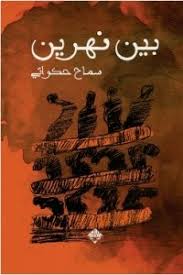
We are the generation of war, and our parents are the generation of defeat, and between them souls grew old, and the concepts of war and love became similar to them.
Things are too big to tell, but I believe that a story alone is capable of creating a small homeland that we carry in our pocket, and that we talk about to our children who were born outside the homeland, and who carried its mark on their faces, tongues, and identities without seeing a stone in it. Only a story is sufficient to create the imaginary homeland in their minds alive. .
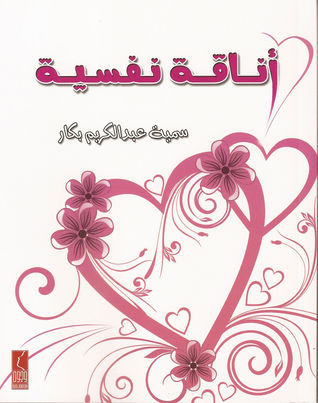
This collection deals with stories from the lives of women who lived between two rivers. Between Syria and one of the asylum countries, it is concerned with the small details of these two lives, and the effects that the war had on the lives of these women: disappointment, loss, escape, and love.
It is an attempt to overcome the great scene of war, and the frost of the borders creeping as a river of ice between the shoulders, with small details, in which the voice rises and asks: “Yes, I lived between two rivers, but which of them lived in me?”
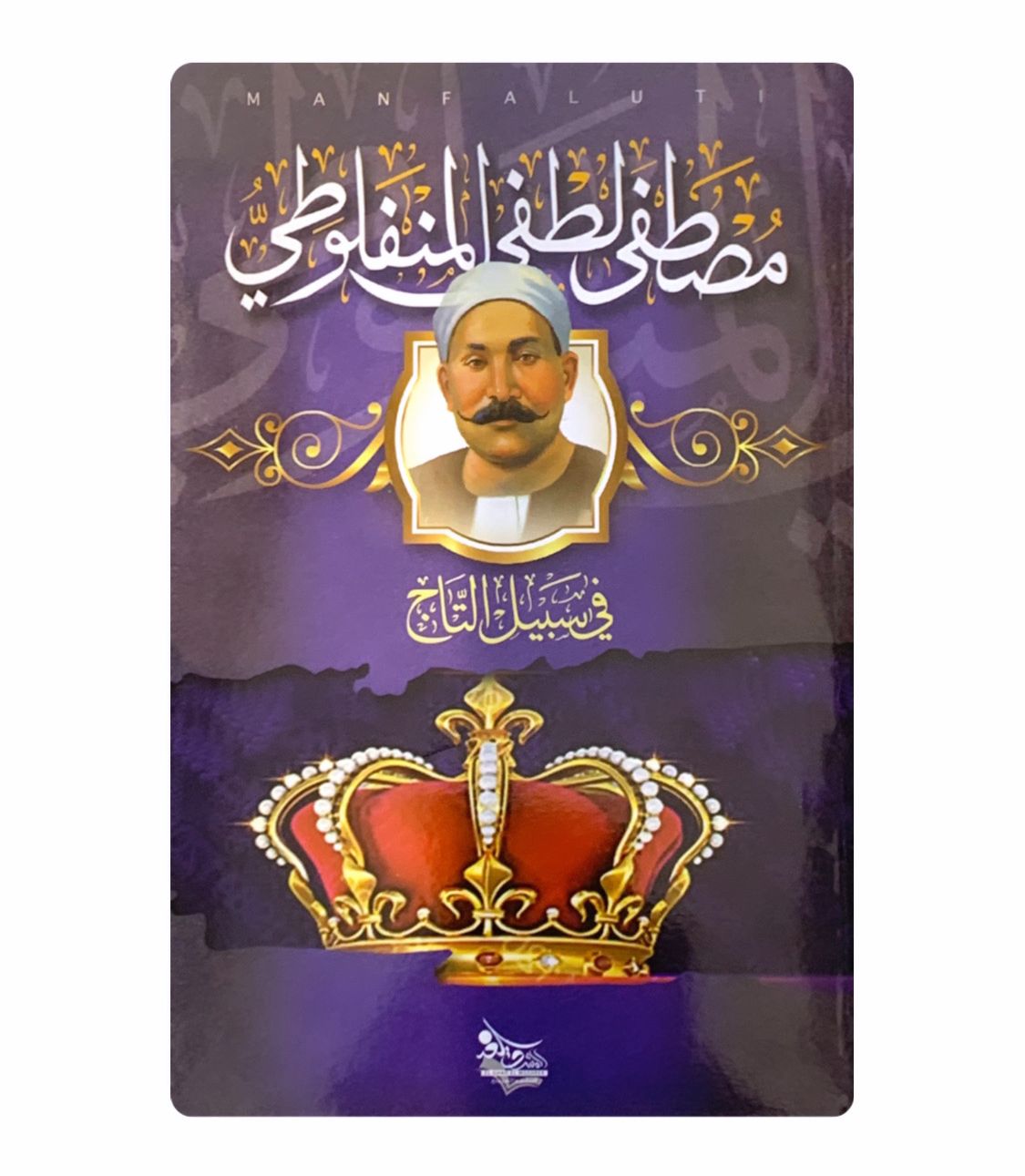
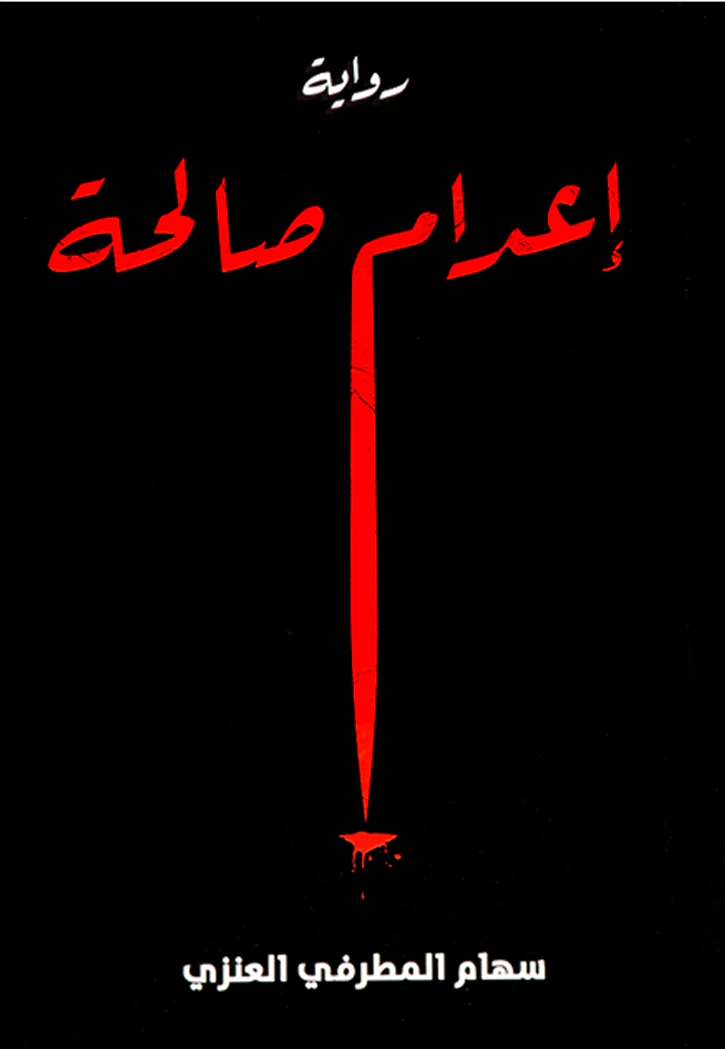
سيَظلُّ حب الوطن من أسمى المعاني والقيم، والذي من أجله يُضحي الإنسان بكل غالٍ ونفيس. تدور أحداث الرواية حول ثورة «البلقان» ورفضهم الحكم العثماني في القرن الرابع عشر؛ فأعدت الدولة العثمانية جيوشها لكَبْح جِمَاح الثورة. وبينما يستعد الجيش البلقاني للدفاع عن استقلال شعبه يحاول والد «قسطنطين» خيانة وطنه من أجل زوجته وتعطشه للسلطة، ويدخل الابن والأب في نقاش يصور الصراع بين حب الوطن وحب الأسرة، غير أن «قسطنطين» لم يتردد طويلًا وانتصر لحب وطنه وقتل والده، ثم تأتي التضحية الأخيرة فيُضحي بنفسه، ويُساق إلى الإعدام دون أن يبوح بالسر؛ مفضلًا شرف أسرته عن شرفه الشخصي.