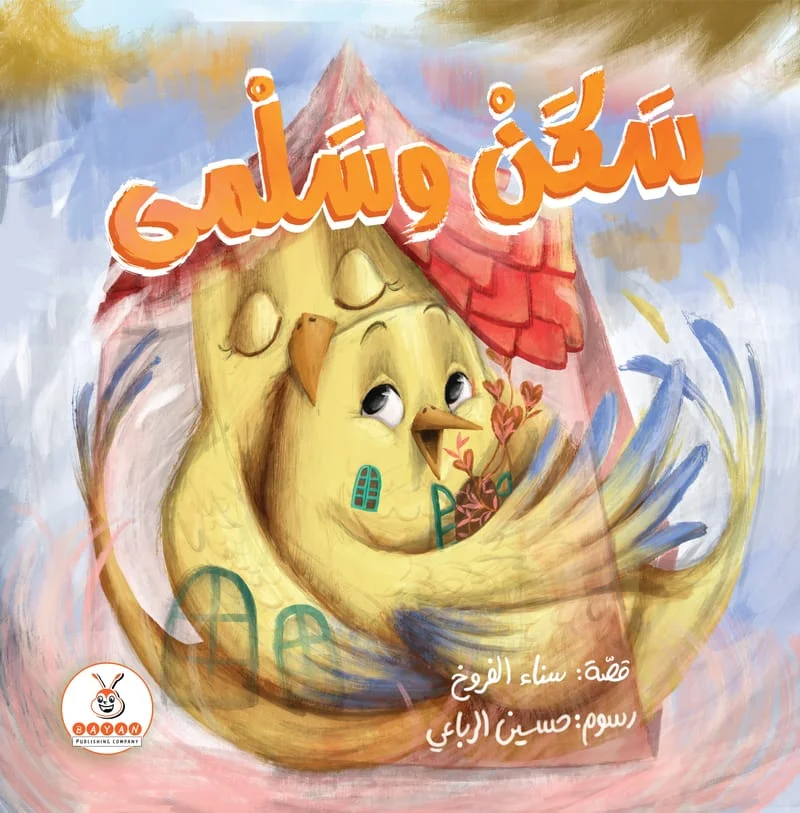
The collection of short stories for children, “My Beloved Emirati,” includes 12 short stories for ages ranging from 2 to 13 years
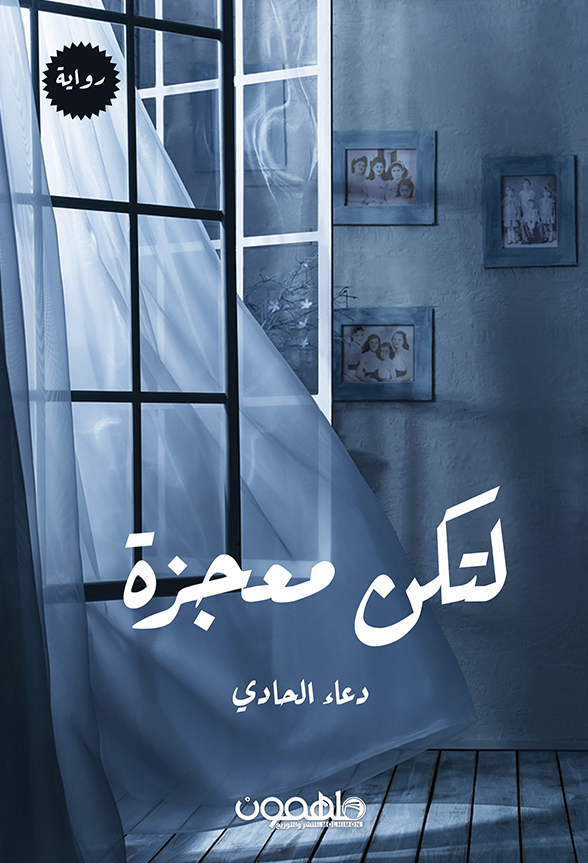
Latifa Al-Hajj was keen to choose simple words, focusing on social issues and behaviors that should be paid attention to and educate children about, such as respect for others, kindness to animals, and appreciation of the country’s flag. I also presented, through some stories, the importance of every child having an independent personality based on confidence and pride in the advantages God has given him.
This is Latifa Al-Hajj’s first experience in writing children’s literature after her story “The Pigeon Lamp” was approved in the Arabic language curriculum for the tenth grade at the Ministry of Education in the UAE.
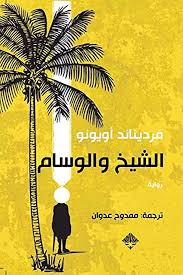
This novel will surprise you a little.
After you finish reading it, you will not be able to tell it.
The writer is from Cameroon, and the event is simple. It takes place in the apartheid society controlled by the whites: The village residents wake up to news from the military ruler stating that the “great leader of the whites” will come from Paris to award old Mika a medal. In appreciation for his efforts and sacrifices, he is the one who lost his two sons who fought with the French army, and donated his land to the new church. Like the residents of his village, Mika feels great as a result of this appreciation, but he soon realizes that he is not strong, but rather a weak, oppressed old man in a weak, oppressed society. A battle in which he is defeated without his opponent appearing in the ring.
The old man and the people of his village are trying to cling to what remains in the memory about themselves, their customs, their methods of expression, their reactions, and their struggle for justice, but they realize on a daily basis: ((The whites have left nothing for us)).
Ferdinand Oyono does not interfere, as if he is sitting among them, doing what they do, so you do not know his direct position on what is going on, and he also drags you to sit with them and participate with them. It does not only aim to introduce you to the problem that people are experiencing, but also to the creative expression methods of these people.