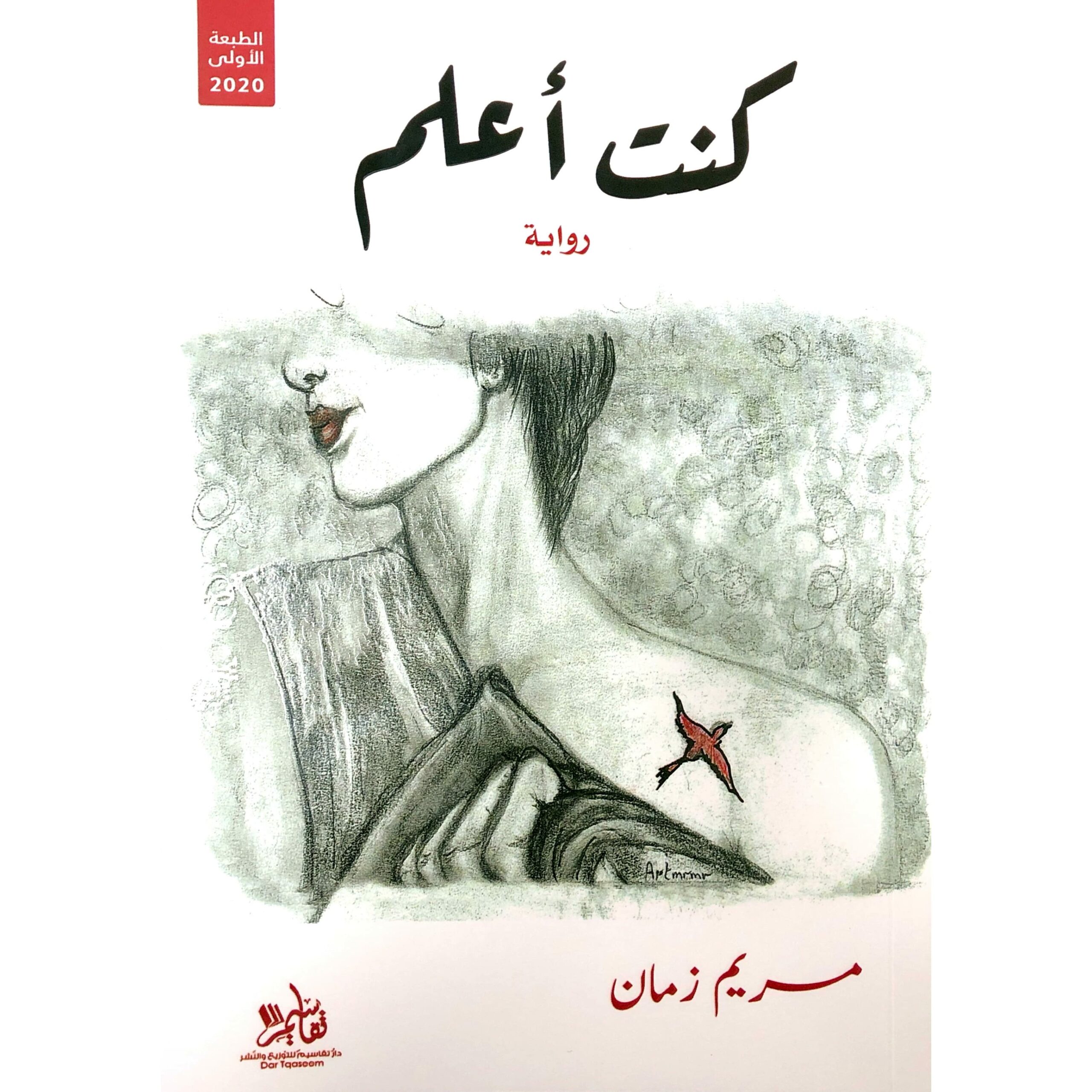
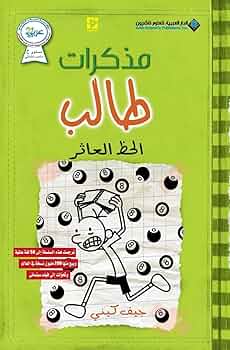
The story of another dictator from Latin America, except in this novel he is an educated, enlightened dictator who befriends an academic, a poet, and a writer in Paris, attends opera performances, and decorates his palace with artistic paintings. But despite his “high culture,” he is corrupt and corrupt. He does everything to remain in power, plotting conspiracies and drawing plays, because he knows that without the throne he is worth nothing.
Carpentier wanted the title of his novel, “The Discourse of the Method,” to be compatible with the title of Descartes’ book: “The Discourse of the Method.” While the philosopher lays down his theory of the method with his hands in cold water, its application appears here hot and burning, poisoned with iron, blood, and fire. The Cuban writer addresses the personality of the tyrant from the inside, contemplating his psyche, entering into the recesses of his mind, with writing that is bold in its conceptions, rich in its fertile details, and innovative in its techniques. List it.
سواء كنت تعاني الرفضَ في علاقة رومانسية أو في العمل أو مع الأصدقاء، فبمجرد انتهائك من هذا الكتاب ستتمتع بالمرونة اللازمة للتعافي بسرعة والتركيز على ما يجعل
The village has always been a symbol of simplicity in its system of life and in the psychological makeup of the villagers, who rarely suffer from what is called “phobia” or “mania,” and accept everything that happens to them as normal, no matter how harsh.
This was in those eras when crops fed those who worked the land and provided them with a surplus for sale that provided them with an important part of their living expenses. However, after agriculture became a loss-making business, and sometimes a heavy burden on the farmer that did not provide its owner with the minimum necessities of life, the village mixed with the city due to the migration caused by various crises, which generated sharp paradoxes that were nullified by that person who was imposed on him in the city a new way of life. At the same time, his customs, traditions, and connections to the village remained strong, which created a duality in him that made him a rich and diverse personality. This friction that occurred through migrations, as well as due to the great technological development that occurred, also transferred part of the city with its relationships and way of life to the village, which constituted a shock to a part of the villagers whose thinking remained based on the old pattern of rural relations.
All of this constituted, and continues to constitute, an important source of literature and drama. In this book there are a number of stories whose events take place in the village of Umm al-Tanafas, a name taken to be a symbol of the village in all works that touch upon the village. This will be the first village notebook and will be followed in the future by other notebooks, because the village’s stories are inexhaustible.
The traditional perception sees that criminals have violated the social order and public peace. Therefore, they must be punished publicly, as the presence of spectators confirms and justifies the judge’s ruling on the one hand, and achieves the authority’s goal of deterring others from repeating the crime on the other hand. This deterrence does not come only from the fear of physical harm due to punishment, but also from the fear of feeling shame and disgrace. Which can only be achieved with witnesses to the humiliation taking place.
But how are societies formed that accept such practices, or even demand them? What political systems allow humiliation, and what systems try to prevent it? Can we say that humiliation is only related to the “Dark Middle Ages” period, or has the “bright,” luminous, and enlightened modernity brought with it new methods of shame of its own and invented new practices of humiliation?
In a stunning analysis of historical and contemporary events, German historian Uta Frevert shows the role that humiliation played in building modern society, and how humiliation and the sense of shame it generates were used as a means of control, from the worlds of politics to school education, and that the art of humiliation is not only a thing of the past, but has evolved to suit... The changes of the twenty-first century, in a world where humiliation is not only from the political forces that control us, but also from our peers.