About the book
(Features of the heart):
In this book, I convey my thoughts, feelings, and personal experiences in a way that is somewhat vague or explicit at times.
I express this in short, not lengthy lines so that the meanings are conveyed quickly and enjoyable to the reader.
I use imaginative images to express, and sometimes I convey the truth of reality from experiences with full disclosure.
My humble writings are a personal effort and the result of two years or perhaps more, as I found encouragement to publish from a number of writers who read some of what I wrote.
I hope that my dream will come true through you, and I hope you can let me know your opinion about my humble writings, and I welcome your comments
Please accept my thanks and gratitude
my regards ,
Samira Khalifa
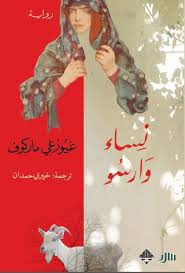
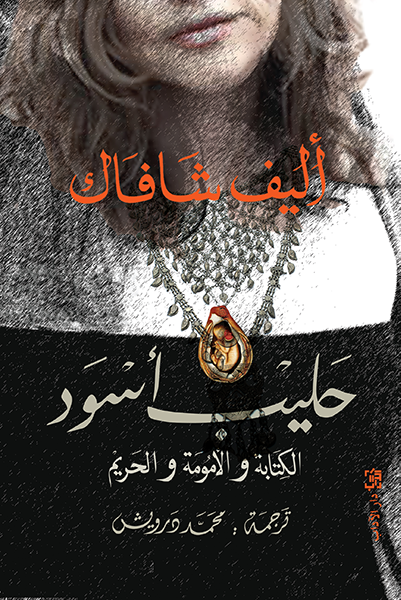
As soon as Pavel, at the head of a geological expedition, arrives at “Devil’s Hill,” the old shepherd living there warns him that he must leave the hill within a month, before he ends up committing suicide on the branch of an oak tree, and the fate of his mission becomes the same as the fate of the previous eight missions. However, the enthusiastic young man insists on making the mission a success, even though the members of his mission are fleeing down the hill one after the other.
Little by little, the two get closer: the young man who studied in the Polish capital, Warsaw, and the old man who knows the hill’s hidden secrets, and their evenings become endless darkness, during which “Pavel” tells the shepherd about his love affairs, while the latter listens in amazement, and his heart burns with love for the nun Maria, the last of the young man’s lovers. .
In “The Women of Warsaw,” Georgi Markov writes about two different worlds that border on contradiction, leaving the oak tree to chart the path to the end...
يتحدث جبران في هذا الكتاب عن الحياة والموت والحب، بمنطقيةٍ فلسفية مُزْدانةً بديباجة أدبية؛ فهو يستنطق بفلسفته ألسنة الأزهار والأشجار لكي يُفصح من خلالها عمَّا في هذا الكون من أسرار
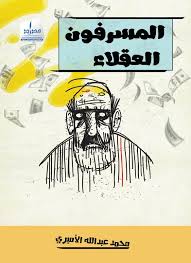
The book addresses some of the financial issues prevalent in our society in a short collection of true stories to educate and educate individuals. It begins with a conflict between “reason” and “society” over the group of creditors drowning in a swamp of debt, where “society” ignores the circumstances of that group while “reason” goes on a short trip to find out their stories and what their circumstances are, then offers solutions to the creditors, and benefits from the experiences of those who survived them in order to prove Society has the idea that these individuals are capable of change and emerge from the darkness of debt into the light of success, eventually calling them “reasonable spendthrifts.”
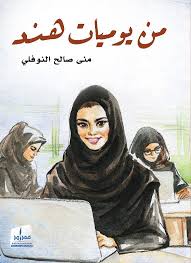
From India's diary:
Every stage of a person’s life is beautiful if the person accepts it with its different circumstances. Some of its details remain engraved in the mind, both sweet and bitter, over the years.
Adolescence was one of the most critical stages I went through. At that time, I did not understand how everyone was dealing with me. Was I still a little girl with adult topics forbidden from me, or an older girl who had entered the world of thinkers and responsibilities?
Hind, here, is a face that reflects the aspects of life of many teenage girls in Gulf society and what ramifies this life related to relatives, friends, or other social relationships.
Having gone through adolescence one day, I can say to Hind: There must be hope that you always search for and wait for, despite all the storms you will face in your life and the stumbles in your steps. Know that hope is an inner peace that makes you smile despite the pain.







-1718247537.jpeg)


/ قصة (بنات بليس)-1718331138.jpeg)