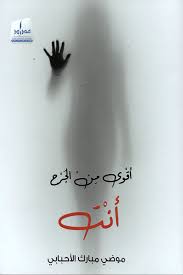
You are stronger than the wound:
They are texts in the colloquial language
The book is about love and a little bit of longing
And disappointment and brokenness.
My beloved fashion
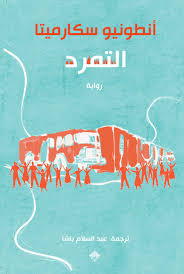
Another postman from Scarmita, but this time he was found in Nicaragua; To be a witness to the last weeks that paved the way for the fall of “Somutha,” the last dictator of Nicaragua. In those decisive moments, the residents of the city of Leon are divided between a majority supportive of the rebels led by Augusto Cesar Sandino, and a minority loyal to the regime and its soldiers. Among them, Scarmita creates a special magical world. The postman decides Letters carrying news of death are better not to arrive, and the oldest woman in the city pretends to be an old widow. To cover up her political activity, the beautiful Vicki shouts in the face of the military, and with them we see the priest, the barber, and others, inventing their own “Trojan horse” to make the rebellion successful and take control of the city.
Through a text that has multiple rhythms and narrative styles, and is full of metaphors, Scarmetta shows how a single event can differ in its impact and meaning depending on the angle from which it is viewed. For some, loss and defeat become a victory and an unforgettable moment for others.
In this work, Scarmeta carries the concerns of Nicaragua; Because for him, the struggle against dictatorships is the same regardless of place.
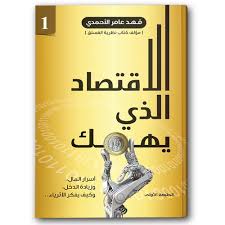
في هذا الكتاب ستتعرف على مدى ثلاثة أجزاء على أسرار المال والاستثمار ومضاعفة الدخل وكيف تبني ثروتك بأسرع طريقة ممكنة . تتضمن في مجملها 45 سراً مرتبة بشكل ...







-1718246858.jpeg)

 Wisdom of Joe Biden/The Book of Joe The Life, Wit, and (Sometimes Accidental) Wisdom of Joe Biden-1718257847.jpg)