Stories that begin, develop, become complicated, and are interrupted before they resume again. Their heroines: Siranah, Selti, Salma, Khansi, Aishana, women whose paths and destinies intersected in that charming region of northeastern Syria, with which the “Berlin-Baghdad Railway” tampered with and the destinies of its residents. .
From the plains of Mardin, the cities of Amuda and Ras al-Ain, and the villages of Shorik, Kondak, and Tal Halaf, these women whisper secrets in their low, intermittent voices filled with fear and illness. But their stories and songs go beyond their bodies’ struggle with tuberculosis, to immortalize the struggles of the Yazidis, Syriacs, and Armenians with oppression, massacres, and eternal alienation.
In Women of Tuberculosis, Reber Youssef, with his poetic language and his special sensitivity, explores the northeastern region of Syria, including its diversity: ethnic, religious, and racial, relying on in-depth historical, geographical, and anthropological research into what people live in that part of the earth, but he... Through his work, he creates a curiosity to explore history once again, after the northeast of the country now has the face of a woman.
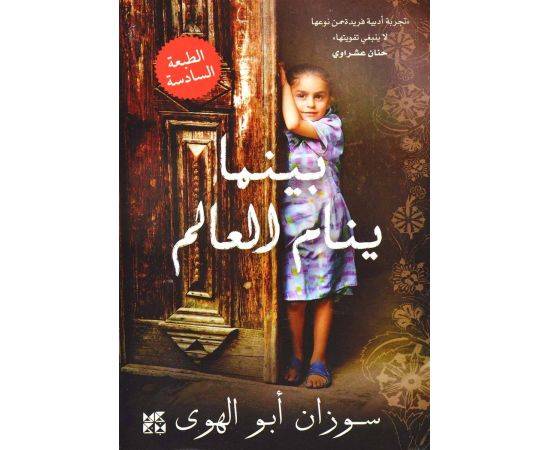
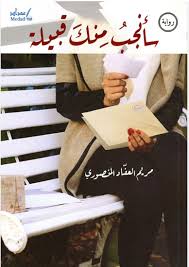
ترجمت روايتها "دنيا زاد" إلى ثماني لغات وحازت على جوائز في مصر وفرنسا. كما صدر لها كتاب يوميات بعنوان "للجنة سور" (2009) تتناول فيه تجربة السفر والهجرة بين مصر ...
Reverse the current
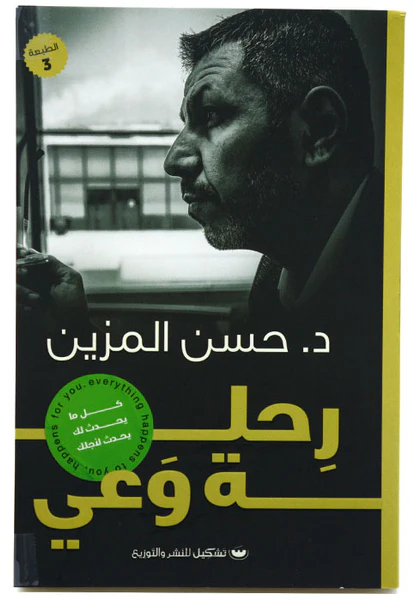
A brief overview of my book Against the Tide, in which I talked about seven important things for every human being.
This book talks about the self-dialogue that most people experience on a daily basis and the attempt to develop solutions to every possible problem they encounter, while providing examples from real people who have gone through these experiences.
He talked at the beginning about self-control and its importance in overcoming all obstacles in life, and how our religion, Islam, has urged us to discipline ourselves..
Sadiq Jalal Al-Azm takes the controversy and controversy raised by Salman Rushdie’s book “The Satanic Verses” in the late 1980s as a starting point to address what he calls “the mentality of prohibition and the logic of criminalization” among Arab thinkers, in a panoramic manner, and in other articles - added in later editions of the book - he addresses many of the issues Related issues, such as Orientalism, reverse Orientalism, concepts of cultural invasion, and authenticity. The writer dives behind the implicit meanings, trying to reach the essence, or the real motive behind the issues he discusses, and raises his voice loudly to argue and discuss the opinions of his fellow researchers and intellectuals: such as Edward Said and Adonis. The audacity makes these sober articles an important document of the discussions and dialogues that prevailed among Arab thinkers at that stage, even if one does not agree with any of them. What is important here is the celebration of free thought and debate based on diligence and knowledge.
Although the deep, passionate, and enjoyable discussions contained in this book provide many answers, they also stimulate many renewed questions that continue to trouble us and justify our need for readings of this kind.