About the novel.....
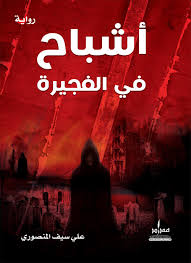
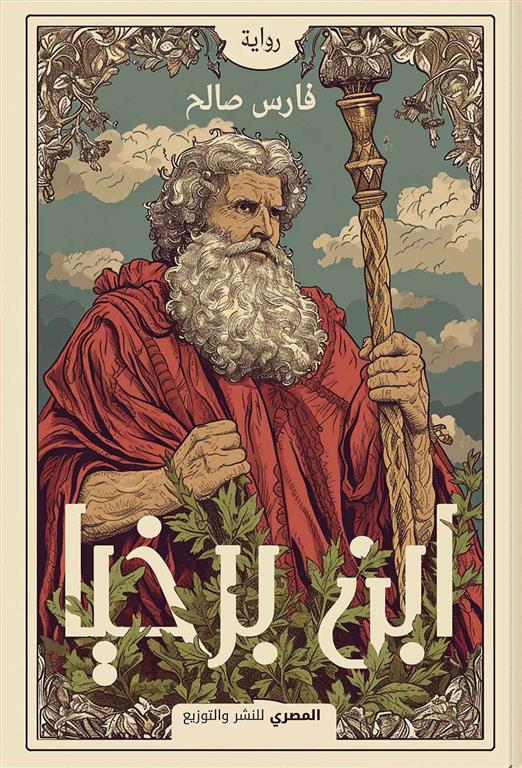
Rashid is a twenty-year-old young man, an orphan of parents. He grows up in the care of his aunt in Dubai. After his aunt’s death, he decides to return to his father’s house in a village in Fujairah. He brings workers to restore the old house and gets to know his neighbors in the village, and the father, Abdullah, and his granddaughter, Maryam.
Voices and ghosts begin to appear from the wall of the house, and each of them tells a story related to Rashid’s parents. The ghosts continue to appear and tell their stories, and Rashid becomes immersed in these stories, until the whole truth comes together about the death of his parents, the fire on his father’s farm, and the location of the treasure that was stolen, and the novel ends with his discovery. For the location of the treasure that Maryam’s father recovered and hid in a safe place until he found it, Rashid also searches for the real Maryam and marries her.
The book "For Every Lover"
My new publication is a self-narration in the form of a novel that simulates the reality of a father with his daughter in terms of compassion and kindness. It also touches the minds of girls today and mentions some of the life aspects that occur in the reality of every girl, especially those between a father and his daughter, where there is poignant dialogue and conversation, and it also refers to some proverbs. And the values that every girl must have, which are instilled by the father, and what the girl will become after the loss of her support and source of strength.
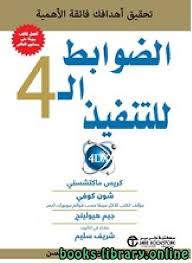
وضع خارطة طريق لتحقيق الأهداف الأكثر أهمية لعملك. تعاون كريس مكتشيزني وجيم هولينج وشون كوفي في تأليف هذا الكتاب الذي حقق أعلى المبيعات في مجال كتب إدارة الأعمال ..
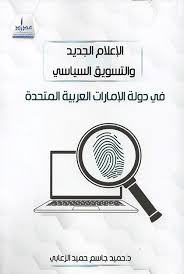
New media and political marketing in the United Arab Emirates
50 AED
50 AED
0 Reviews0 sold
Product Details :
New media and political marketing:
This book is inspired by the UAE's journey, its development experience, and the visions of the UAE's wise leadership and its honorable people in the process of political empowerment that began in 2006 to expand the base of participation in parliamentary elections to reach citizens' participation in the political process.
About the book
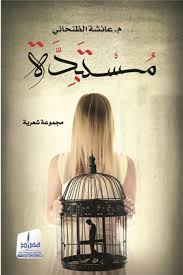
Tyrant's collection is my first published work that includes multiple poems, most of which are emotional poems.
The collection consists of 24 poems, which are as follows:
• Oh my killer
• Closer than around the corner
• Do not take it
• Dimple
• When you are present
• My paths are burdened with distance
• Ground
• The wasteland of remoteness
• Arabic
• A letter about my silence split
• Wait, wait
• My ultimate wish
• Sloppy letters
• Don't worry
• Covenants
• My apologies
• The mother was killed
• Tyrannical
• My one and only love
• Really give up
• Storm
• Love brings calamity
• Crazy jealousy
• Bored