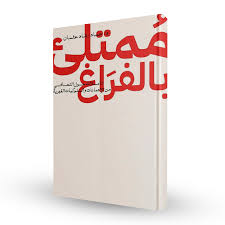
ممتلئ بالفراغ: تأملات حول التعافي من الإدمانات والسلوكيات القهرية - د. عماد رشاد عثمان كتاب ممتلئ بالفراغ من تأليف د. عماد رشاد عثمان يعالج مشاكل إدمان العادات السيئة والمؤثرة سلبيًا على حياة أيّ شخص مثل الطعام، الإباحيات، الجنس، العلاقات، الشراء، والاستخدام الشره للهواتف المحمولة.
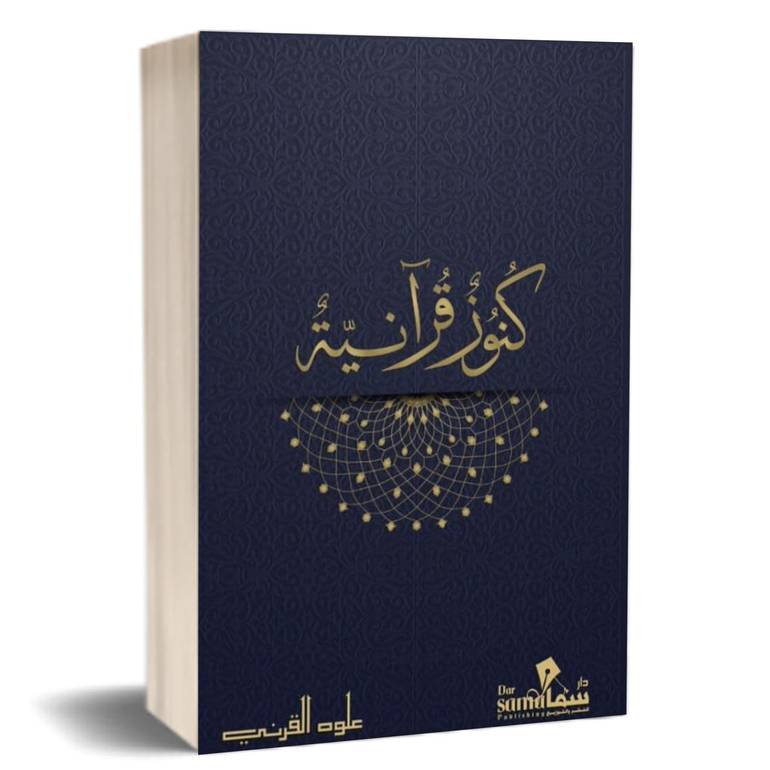
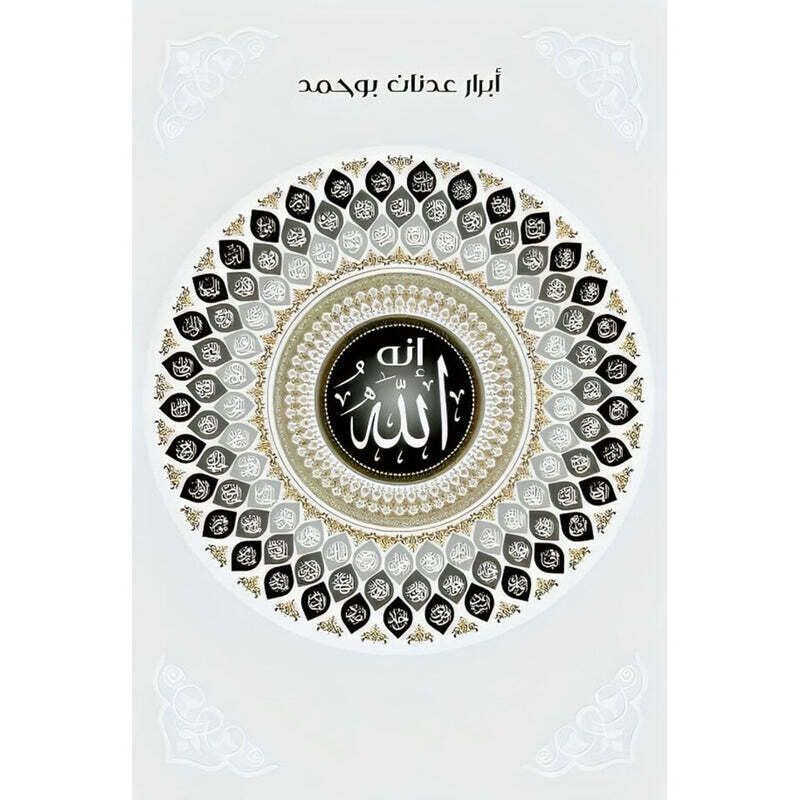
إن العلم بأسماء الله تعالى وشرحها من أشرف العلوم التي كرمنا الله بها، ومعرفتها ضرورة ترفع قيمة الإنسان وتورثه فسيح الجنات، فمن عرف الله فقد عرف كل شيء، ومن لم يعرفه فقد جهل كل شيء حتى نفسه. أما هذا الكتاب فيعتمد على التكثيف والتركيز ويقدم لنا شرحاً مبسطاً ووافياً لكل اسم من أسمائه تعالى ودلالته، ويختم كل اسم بدعاء مستفاد منه، كما يبين فضل معرفة أسماء الله والعلم بها وفوائدها وأقسامها والمعاني المستفادة منها، ويقدم بعض التمارين التي تساعدنا على تجاوز صعوبات الحياة. فالهدف من هذا الكتاب هو تبسيط المعلومة للقارئ ليعيش الخلافة على الأرض بما يليق به وذلك عندما يدرك صفات الله سبحانه وأسماء. ويفعلها
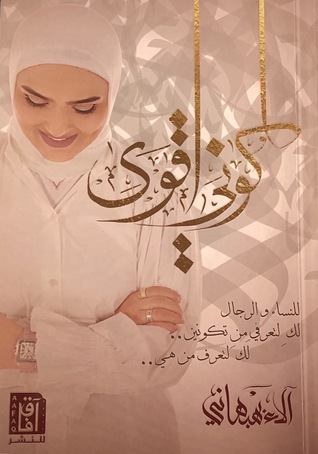
... للراحة تحديا حقيقيا. ولكن الراحة مهمة بقدر أهمية الرياضة والغذاء الصحي للحفاظ على لا من العامة سيساعدك هذا الكتاب على إدخال مزيد من الراحة إلى حياتك