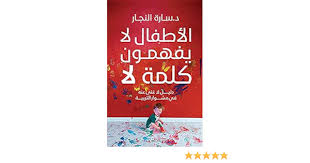
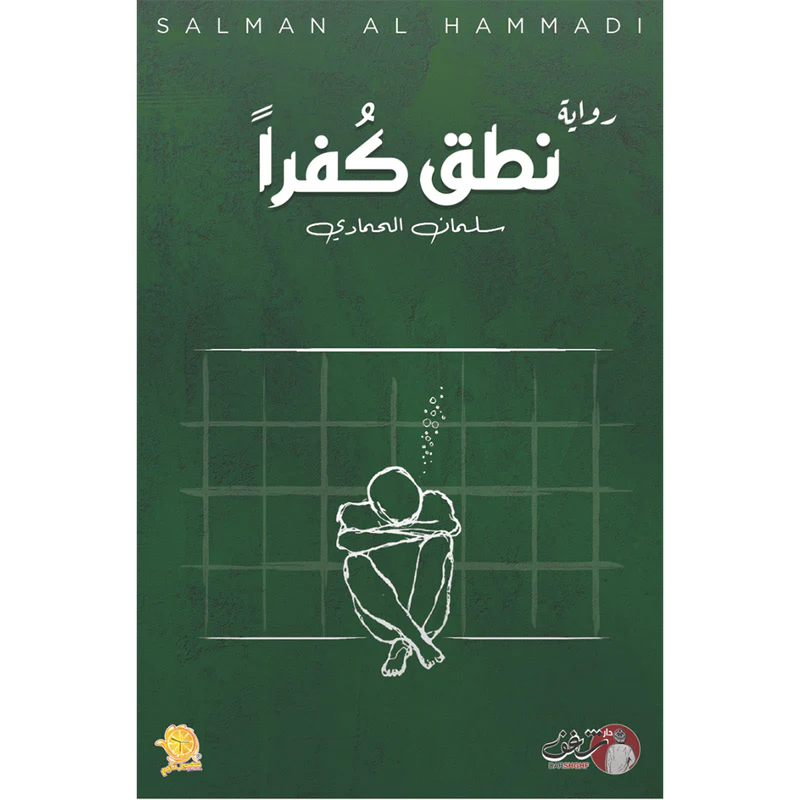
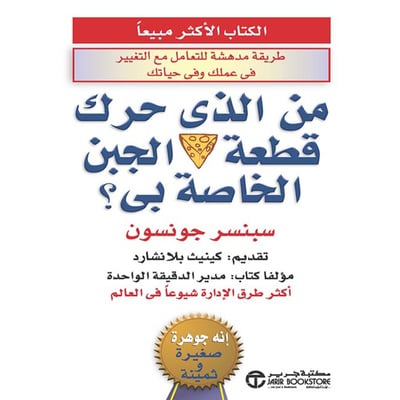
وهو يناقش موضوعات عدة، مثل فكرة الكمالية، أو السعي نحو الكمال، وأثر الحياة الاستهلاكية على البشر، وكيفية التعامل مع عادة التسويف والخوف المرضي والتفكير المفرط، ومخاطر الفراغ، وأهمية تحقيق التوازن بين مجالات الحياة، وكيف يتقبل الإنسان فكرة امتلاكه للكثير من العيوب، وأهمية القدرة على رفض الأوضاع التي لا تناسب الإنسان، ...
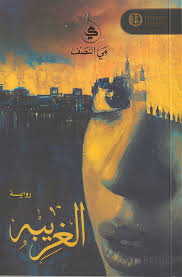
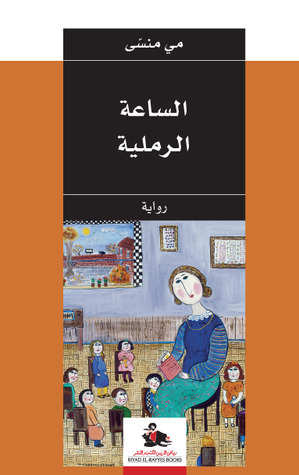
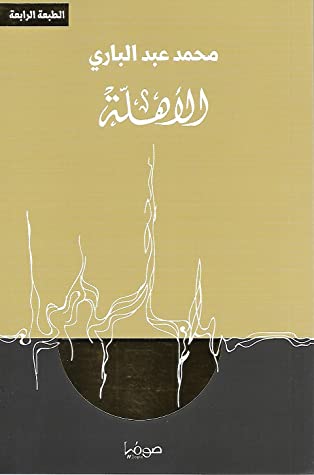
Its events take place in the village of Taiba in central Sudan, Gezira State, and its heroine is a beautiful and educated doctor who holds the threads of the narrative, expressing herself and the main characters in the story. She returns to her village after completing her studies, and makes major changes in the life of the village, and coincidence played a role in her taking the initiative to change. The village is lifted from its slumber within fifteen years, and then she discovers that she has lost her life and her beauty, and that she was loved by everyone, but she remained a spinster. She represents one of a group of six children to whom the school principal predicted brilliance during their primary school period, and through the narration she answers what It happened to them years after the prophecy. One of them was murdered and the other was murdered because of racist tendencies. The history of the murdered man, who descended from a grandfather who was a slave in the past. He dared to propose to the murderer’s sister. The discovery of the secret of the crime in the final chapters gives the novel suspense. One of them dropped out of school and inherited the butcher’s profession. From his father, and he discovered that he was cheating in his slaughtering, and was offering dead animals that had not been slaughtered in a legal manner. Then the climax of the crisis occurred when the doctor met her colleague whom she had left since she was a trainee doctor of excellence, and who was in love with her and had confessed his love to her in a letter thirteen years ago, to discover by chance that he had He lives in the same newly emerging metropolitan neighborhood, after she left the village to live in the capital in order to obtain a medical specialty. Then, leaving the village makes the village collapse and return to what it was, a remote village without lights, after she brought about a spring (change) in it that rarely comes. Because of her activity in the village hospital, He created confidence in its ability to treat the sick, the turnout of the people of neighboring villages, and the establishment of the village market, its expansion and the abundance of activities. The village expanded and took on a greater economic and social dimension, then it collapsed in less than a few months after the doctor (the protagonist of the novel) left the village after her shock and the collapse of her wedding when the police officers arrested her. The groom is arrested accused of murder
About the book
The book talks, at the beginning, about the roots of the establishment of the Emirate of Qatar since it was subordinate to the Bani Khalid who ruled Al-Ahsa, and after him, Sheikh Muhammad Al Khalifa’s settlement in Al-Zubara and its fortification, before the conquest of Bahrain, and Qatar’s continued subordination to Bahrain, and the process of the British separation of Qatar from Bahraini rule, and so on. This was followed by the stages of dependency that Qatar entered into, from dependency to Saudi Arabia and entering under Ottoman and then British rule, and it talks about the Al Thani family, the roots of their presence in Qatar, and the role of the Al Thani in collecting zakat and delivering it to the ruler of Bahrain,,
The book talks about Qatari independence from Britain, the coup process that became an alternative to the process of peaceful transfer of power, the political mentality of Qatar’s rulers affected by historical accumulations and the complex of geographical space, and the personality of Hamad bin Khalifa, who is governed by the psychological complex of his emirate’s position on the regional and international political map. And about his efforts to search for regional leadership, the goal of establishing Al Jazeera and establishing the American base, and the failure of Hamad bin Khalifa’s efforts to expand the geographical map of his emirate,,
The book also talks about the relationship between the Qatari regime and the Qatari people, and the regime’s efforts to change the demographic composition in Qatar, and the policy of replacing one people with another, and turning the Qatari people into a minority. The book moves on to the relationship of the Qatari regime with its Gulf and Arab surroundings, and then Doha’s regional and international relations, and the attempts Hamad bin Khalifa in limiting the Saudi and Egyptian role and trying to build a regional role for Doha, relying on financial diplomacy,,
The book also talks about the beginning of the roots of the relationship between Qatar and terrorist organizations (Al-Qaeda and after it the Brotherhood), and about the role of Qatar, Al Jazeera, and the Brotherhood centers in the project of creative chaos and regime change, and about the role of Doha in creating terrorist organizations in Syria and Libya, and supporting terrorism in Egypt, and about the plans. The Qatari conspiracy against Saudi Arabia, Egypt, and Bahrain, and in conclusion, the book talks about the crises of 2014 and 2017, and about Doha’s scenarios in light of the quadrilateral boycott it is experiencing, and the dangers of bringing in Iranian and Turkish forces, against the Emirate of Qatar and the Qatari regime,,