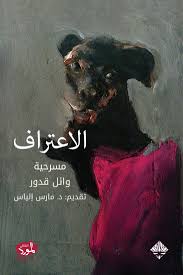
Qaddour’s text takes inspiration from the idea of confession from the text “Death and the Virgin” by the Chilean writer Ariel Dorfman. Without that, the text begins to build its purely Syrian story, which revolves around an old relationship that comes back to life between an officer who was expelled by the ruling regime in peacetime and brought back in war, and “Jalal,” who was tortured in one of the days of peace. Syrian security detention centers, and among a former detainee who was tortured under the hands of the former. The two meet when their destinies intertwine through Jalal's nephew, the theater director concerned with directing the play "Death and the Virgin" in which Akram plays the role of the tortured, while the character of the tortured girl is played by "Haya, Soha Nader", Omar's lover. In the orbit of these relationships, Radwan, Hamza Hamada, the officer’s bodyguard, gets lost without knowing the horrors he will face after leaving the officer’s service to participate in the massacre of the twenty-first century.
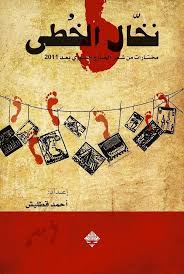
This book collects selected texts by twenty-one male and female poets from different cultural and social backgrounds, regardless of the reasons and ways they left Syria, even though most of them left after the outbreak of the revolution in early 2011. Today they live in various countries in the Arab world and outside it, and many of them live in Germany especially.
These selections are an attempt to shed light on the Syrian poetic experience emerging in exile, which carries within it the diversity of poets’ styles, experiences, opinions and ages, and presents a picture of the reality of Syrian poetry abroad, without evaluating it, but rather as a witness to the changes occurring in poetry and parallel to the changes in the earth. Although the features of this experience have not yet crystallized, it demonstrates effective attempts to take Syrian poetry to other directions that will inevitably lead to new places in Syrian writing.