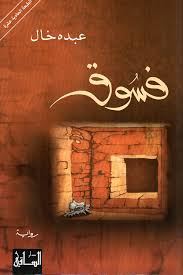
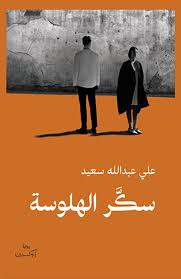
Summary of the novel (Gypsy Female) This novel tells the story of a disabled Iraqi Christian girl whose mother died while giving birth to her. She lived under the care of a doctor father who sought the help of a colleague at work to raise his only daughter, but this woman is also kidnapped by death, so the girl lives with her father, who she mysteriously loses during the invasion of Kuwait, leaving for Baghdad at a time when Hunger and comprehensive siege, and she lives there between a close Christian couple until they die, leaving “Asmaa”, having lost her three mothers in succession. She remains alone, fighting the hell of bloody violence spreading in her Iraqi homeland until she leaves it to other homelands, as if she were a gypsy female tormented by travel as she climbed the walls of that country. Towering nations with one arm. It is the story of an Arab girl who is ravaged by the horrors of what the world is experiencing around her, but she creates life with a unique feminine ability as she moves between several homelands like a shivering bird searching for a nest that might shelter it in a forest whose tree leaves have fallen in a weeping autumn. This narrative may announce (the death of the novelist), but knowledge of this can only be determined by the reader as he follows the aesthetics of the narrative in it.
من أهم 100 كتاب يتحدث عن كيفية إدارة حوار فعّال سواء في عملك أو دائرتك الاجتماعية!هذا الكتاب يُقدّم لك أكثر من 15 طريقة عملية قابلة للتطبيق في محاولات كسب إعجاب الجميع!يحتوي على الطرق الثلاث الأبسط على الإطلاق لامتلاك شخصية جذابة ساحرة واستثنائية!يضع لك 7 عبارات سحرية تضمن لك حُب واهتمام من يستمع إليك في اللحظة ذاتها
I mean: If that were the case, how much of our dignity, human solidarity, and sense of humanity have we lost until we became accustomed to the humiliation surrounding us, for ourselves and for others?! We have even come to accept this violence and inhumane treatment with which we or others are treated as we see it in life or when we read about it or see it on television. (We will ignore that we sometimes treat others in this way: our children, our subordinates, or those who fall into our hands among our enemies, for example, or the prisoners in our hands, assuming that some of those who carry out these tasks can read what I write).
Our habituation to this humiliation is reflected in the fact that we have come to accept that torturing a prisoner is a given. We no longer wonder about the effect of that torture on the prisoner-victim, even after his release from prison, just as we no longer wonder about the effect of torture on its perpetrator. Can he easily return to his normal daily life after leaving the torture room, as if he left the toilet to resume his life?
This is the first time I have gathered my thoughts on this topic after many attempts and articles scattered in more than one place.
«إبليس» على وجه الأرض كان كُلَّ الخير! خيرٌ حين بدأ التمييز بين الخير والشر؛ حيث لم يكن بينهما تمييز قبل معرفة الشيطان بأفعاله، ووساوسه، وصفاته، وخفايا مقاصده الدنيئة. فنحن أمام دراسة وافية من الدراسات المتميزة حول «قوة الشر» منذ قديم الأزل إلى منتصف القرن العشرين؛ ماذا كان قبل الشيطان؟ ولماذا سقط الشيطان في غيابات الشر ودروبه؟ وكيف كان في الحضارات السابقة؟ وما نظرة الأديان الثلاثة إليه؟ وإلَامَ آلت الأحوال به في هذا العصر؟ تلك هي الأسئلة التي حاول العقاد أن يُجيب عليها في هذا الكتاب.