Above the clouds :
The book is based on real experiences and real-life stories of me as an author, and reflects an aspect of my personality in insisting on destroying excuses and moving towards success with confidence and faith. The book consists of 17 chapters, and the chapter ends with phrases formulated by the writer for contemplation and rethinking In the concept of the chapter that precedes it.
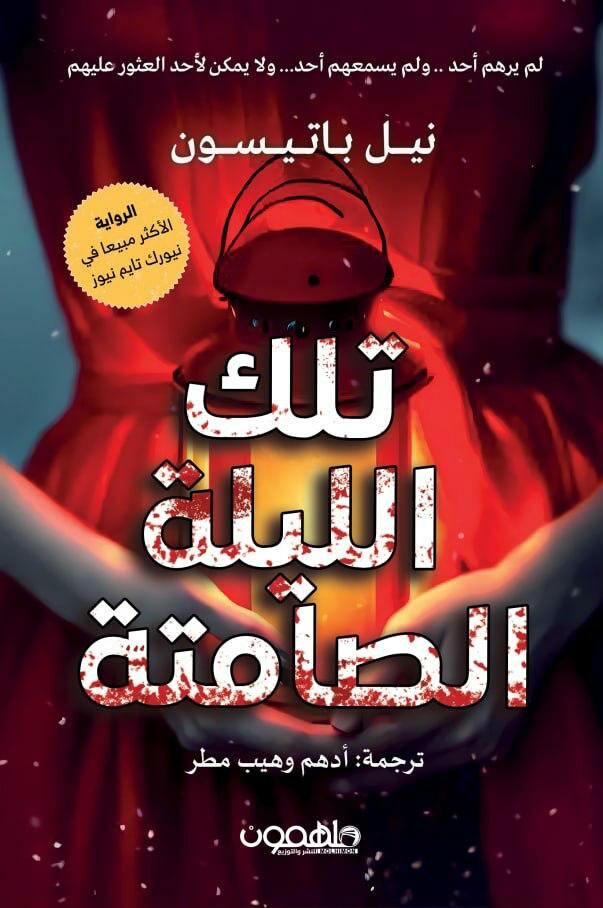
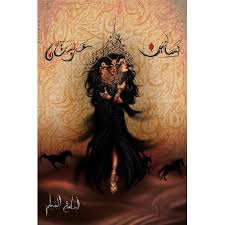
بعد فرعون موسى و خاتم سليمان وقبل عيسى و سيد الأنام قبل الإسلام وقبل تاريخه و قبل النور و الصراط المستقيم قصة لم يدونها التاريخ لكنها نقلت بالأثر من قاص لآخر .. سأدونها بين ورق بالكاد سيحتويها .. واتركها لاختبار الزمن ..
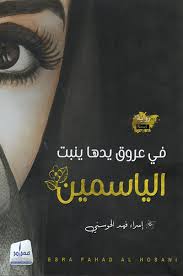
In the veins of her hand, jasmine grows:
A very difficult life is lived by (Mahra), who was forced by circumstances to live in the house of her mother, who is married to another man, after the death of her father. Feelings of fatherhood begin to overwhelm her with the relationship between her stepfather and her brothers, until (Mahra) meets the knight of her life (Hareb) and lives with him in a state of love. The sincere and pure one, so that she believes that the world is smiling at her after she saw in him the main compensation for the feeling of deprivation that she suffered in her life. She is soon shocked to discover that he is married and separated from his wife and with whom he has two children. Mahra enters into a whirlpool of conflict between her mind and her heart. Should she turn? to :
- What her heart beats with in terms of love, adoration, and feelings of love with (he fought and living with him).
Or her mind controls her sense of the horror of what will happen to his two children as a result of her relationship with their father and causes them to feel the deprivation that she suffered from in her life.
Dear reader:
Meet me at the end of the book to find out what Mahra did....!!!???????
Israa Al Hosani....