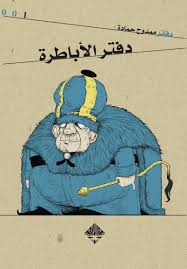
The period of writing these stories extended for many years, extending from 1987 with the story “The Smell” to 2013 with the story “May God prolong his life.” They were all written under the weight of heavy tyranny, which made our thinking almost paralyzed and made us free executioners and observers of ourselves. It is “natural” for most of them to be apologized for publishing, as happened with the story “The Smell” which was either apologized for publishing or was ignored by all the newspapers to which it was sent at that time, as well as It happened with several other stories.
All the stories are united by a single concern and a similar atmosphere. Their events take place in the imperial atmosphere, with the meaning of the emperor’s word. The reader does not need effort or help from anyone in deciphering it. They speak of a general concern that everyone feels the burden of, without exception. Some were vocal about it at the times when the stories were written. Some people kept it quiet, but despite the fact that the majority were forced to remain silent, and those who opened their mouths paid a heavy price for not remaining silent, for everyone it was a heavy burden that a person could not get used to, or at the very least hope that it would go away.
These stories were among the forms of expression of that general pain. Some of them were destined to come out to the screen - in some short periods of relief - to reach the audience, even in different formulations from the stories in the book, and some of them remained imprisoned until circumstances allowed them to appear on the pages of this book in your hands.
After twenty years of work, Salem ends his service in the police cavalry and returns to his home and family in Deir al-Qarn, bringing with him the only companion that has remained with him all these years: his horse. Family members have different feelings towards this guest, who will now become part of the family. The chains of storytelling revolve between the five children and the mother, and as they revolve, they weave stories and build worlds. In this novel, Mamdouh Azzam writes, in a new and different style from his previous novels, a story about a simple family that lives its tranquility and fear, its surrender and rejection, its peace and its conflicts, to stir within us endless questions and contemplations, while freedom, in its broad meaning, writes the final chapter.