Game of Life : Life is nothing but stations in which we receive lessons and lessons through people who may be positive or negative. Therefore, all we have to do is reflect and enjoy this life in all its good and bad without delaying or complacency, and let us make determination and will the sun that illuminates everything that is beautiful in this life.
كل أبٍ وأمٍّ يرغبان في إسعاد أطفالهما وتفادي إفساد حياتهم. ولكن ما هو السبيل إلى ذلك؟ في هذا الكتاب المفيد والممتع، تتناول المعالجة النفسية المعروفة فيليبا بيري المسائلَ الجوهرية في تربية الأطفال. وعوضاً عن تقديم أسلوب «مثالي» في التربية، تقدم صوّرة شاملة عن مكوّنات العلاقة الصحيّة بين الطفل ووالديه.
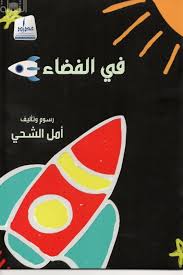
in the space :
My story for first and second level children,,
It talks about space, what is in it, and who are the first two Emirati astronauts in space.
About the article
Man in general, and throughout his history, old and new, has always needed to believe in religious, mental, and cultural beliefs and convictions, and at the same time he does not imagine himself outside of these beliefs and convictions or detached from them, as they provide him with psychological and emotional reassurance, and also provide him with protection from himself, which may behave in... Sometimes there are bumpy paths, sharp switchbacks, potential uncertainties, or unknown areas.
Therefore, we cannot strip others of their religious beliefs, whether divine or man-made, because interests have converged between states and peoples in many aspects of life and because freedom of religious belief must remain a private matter for the individual alone, and one of his most sacred human, civil and religious rights in general. Therefore, in my research, I tried to list or present the religious beliefs of the peoples of the world and their laws as they are in their concepts, without fanaticism or bias.







-1717716408.jpeg)