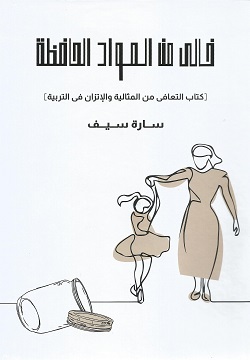
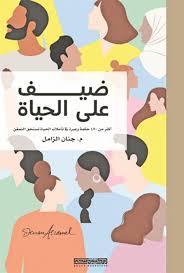
Holy shit, relax by We make a ridiculous number of decisions every day, some estimates are around the thousands. We make hundreds of decisions a day about food alone, decisions about getting up, how to get our kids to school, and so on. Timothy Caulfield's important book will surprise you with a complete factual guide to health decisions. Journaling makes you worry less and who better to read than him in this regard? Timothy Caulfield is the Chair of the Canada Research Foundation in Health Law and Policy, a professor in the Faculty of Law and the Faculty of Public Health, and the Director of Research at the Health Law Institute, University of Alberta, from getting dressed and going to work to eating breakfast and vitamins to... Park the car, use a public restroom, then wash your hands. The author will arrange multiple daily tasks for you. He will prevent you from screaming. He will teach you to drink water and use nap time in ways you have never thought of before. This book by Timothy Caulfield did not become a bestseller for nothing. It will protect you from time panic. It will teach you to hug and exercise again. How do you spend your time with your children? You will even read about washing dishes and whether the toilet seat is up or down. You will learn about the dangers of excessive television watching and how to be careful about it. He will walk with you in the steps of washing your hair, flossing your teeth, and even sleeping. As you read this book, you will learn about the rules of relaxation so that you do not let fear. It controls your life, and where the risks may not be as great as we think, you will learn not to be fooled by the illusion of difference, and how to put down your damn phone sometimes. Simply put, this is a book you should read.
In 1949, writer Helen Hanff began correspondence with a used bookstore in London, asking them to help her secure some classic books that she could not find in New York. Over the course of 20 years, letters are exchanged between her and the store’s employees, especially Frank Doyle, who secures the books and sends them to her. This correspondence begins with a request for a copy of Hazlitt’s Three Essays and gradually deepens, building a transparent human relationship between book lovers on both sides of the ocean. In the details of their personal lives on the one hand, and chronicling the history of the two countries on the other hand, it includes talk about the food crisis in Britain after rationing, the pivotal elections in both countries, the sports clubs, their social life, Frank’s family news, the development of Helen’s professional career, and even the method of making pudding.