هو الكتاب الثالث في سلسلة “شجون” لدكتور يوسف زيدان كنور يضيء ظلمات الجهل والخطل المعرفي فقط لمن أراد الى نور الفهم سبيلا. يطرح “شجون تراثية” مشكلتين إحداهما دينية والأخرى تدور حول تراثنا القديم. المعضلة الدينية تتمحور حول المسجد الأقصى والإسراء والمعراج التي طالما ذهب ضحية قضيتها المزعومة موتى كثر بالمجان وسيظل
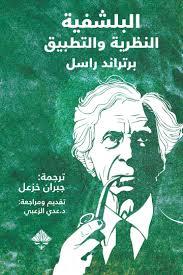
In 1920, the British philosopher, logician, and mathematician Bertrand Russell traveled on a short visit to Russia, a trip that brought him a lot of frustration, and later made him one of the most prominent critics of Bolshevism, or the “Russian experiment in communism,” without this meaning that he abandoned his support for socialism as an idea. Or a political approach.
In the first section of this book, Russell records his direct impressions of that visit, in the form of journalistic observations carried out by a committed leftist and first-class philosopher. While the second theoretical and philosophical section is devoted to presenting his main criticisms of Marxism and Bolshevism. Such as criticizing the Marxist philosophy of history, the psychological motives that drive man according to Marx, criticizing the Bolshevik vision of democracy, and refusing to repeat the Bolshevik experience in the West.
Russell presents his ideas to the average reader in a smooth manner without this meaning that he abandons the depth of treatment. Russell's experience and his relationship with a revolution he believed in and witnessed its failure may inspire many. Because it teaches them that changing the world for the better comes through honesty and criticism, and through learning from mistakes, and understanding those who committed them with idealism and courage.
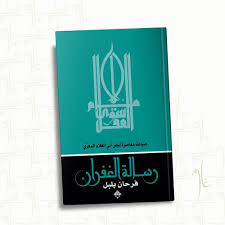
The message of forgiveness, a contemporary formulation
65 AED
115 AED
0 Reviews0 sold
Product Details :
Based on this wish for all Arabs to read what they are able to read, from ancient heritage to modern antiquities, I returned to (The Epistle of Forgiveness) to place it in the hands of senior scholars, intermediate scholars, and those below that. But how do we return to it with passion, eagerness, and the ability to benefit from it after readers have moved away from it until there is no place left for it except in the farthest corners of libraries because it cannot be read no matter how much we tempt people to read it? Would they not be repulsed by it and flee from it as they would from a heavy burden, even if you gave them a generous reward for reading it? Here I came up with an idea that I hope will resonate well with people and students of culture, which is to reformulate it.
It was necessary to include the text (Ibn al-Qarih’s letter) because the letter of forgiveness was a response to it. It is not possible to understand (forgiveness) without considering the message of (Ibn Al-Qarih). I treated it in the same way of paraphrasing so that the two messages fit together.











/The Power of Love Connecting to the Oneness-1718342915.jpg)


-1718258425.jpeg)