About the book
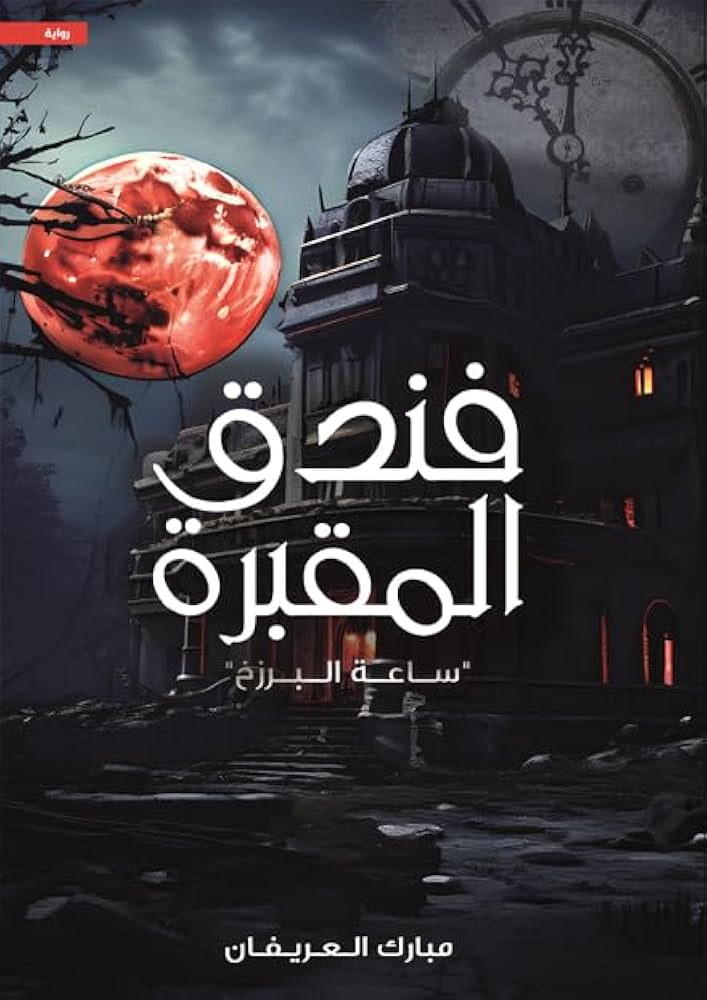
The book talks, at the beginning, about the roots of the establishment of the Emirate of Qatar since it was subordinate to the Bani Khalid who ruled Al-Ahsa, and after him, Sheikh Muhammad Al Khalifa’s settlement in Al-Zubara and its fortification, before the conquest of Bahrain, and Qatar’s continued subordination to Bahrain, and the process of the British separation of Qatar from Bahraini rule, and so on. This was followed by the stages of dependency that Qatar entered into, from dependency to Saudi Arabia and entering under Ottoman and then British rule, and it talks about the Al Thani family, the roots of their presence in Qatar, and the role of the Al Thani in collecting zakat and delivering it to the ruler of Bahrain,,
The book talks about Qatari independence from Britain, the coup process that became an alternative to the process of peaceful transfer of power, the political mentality of Qatar’s rulers affected by historical accumulations and the complex of geographical space, and the personality of Hamad bin Khalifa, who is governed by the psychological complex of his emirate’s position on the regional and international political map. And about his efforts to search for regional leadership, the goal of establishing Al Jazeera and establishing the American base, and the failure of Hamad bin Khalifa’s efforts to expand the geographical map of his emirate,,
The book also talks about the relationship between the Qatari regime and the Qatari people, and the regime’s efforts to change the demographic composition in Qatar, and the policy of replacing one people with another, and turning the Qatari people into a minority. The book moves on to the relationship of the Qatari regime with its Gulf and Arab surroundings, and then Doha’s regional and international relations, and the attempts Hamad bin Khalifa in limiting the Saudi and Egyptian role and trying to build a regional role for Doha, relying on financial diplomacy,,
The book also talks about the beginning of the roots of the relationship between Qatar and terrorist organizations (Al-Qaeda and after it the Brotherhood), and about the role of Qatar, Al Jazeera, and the Brotherhood centers in the project of creative chaos and regime change, and about the role of Doha in creating terrorist organizations in Syria and Libya, and supporting terrorism in Egypt, and about the plans. The Qatari conspiracy against Saudi Arabia, Egypt, and Bahrain, and in conclusion, the book talks about the crises of 2014 and 2017, and about Doha’s scenarios in light of the quadrilateral boycott it is experiencing, and the dangers of bringing in Iranian and Turkish forces, against the Emirate of Qatar and the Qatari regime,,
We are the generation of war, and our parents are the generation of defeat, and between them souls grew old, and the concepts of war and love became similar to them.
Things are too big to tell, but I believe that a story alone is capable of creating a small homeland that we carry in our pocket, and that we talk about to our children who were born outside the homeland, and who carried its mark on their faces, tongues, and identities without seeing a stone in it. Only a story is sufficient to create the imaginary homeland in their minds alive. .
This collection deals with stories from the lives of women who lived between two rivers. Between Syria and one of the asylum countries, it is concerned with the small details of these two lives, and the effects that the war had on the lives of these women: disappointment, loss, escape, and love.
It is an attempt to overcome the great scene of war, and the frost of the borders creeping as a river of ice between the shoulders, with small details, in which the voice rises and asks: “Yes, I lived between two rivers, but which of them lived in me?”
باعتباره نهجًا ثوريًا للتحفيز والتقدم الوظيفي، يمزج هذا الكتاب عناصر من مبادئ علم التحفيز وتصميم الألعاب والإدارة الذكية، ويظهر لك كيفية القيام بما يلي: إنشاء ثقافة تعزز التعاون والإبداع والإنتاج المذهل. ديناميكيات تحفيزية متغيرة تؤثر على سلوكيات وأداء أي فريق.