Wadima is back, that girl who faces the routine of life with determination and stubbornness, and uses the calm of her days as an excuse for a steadfast ambition. The spirit of Wadima, who lived in every house and street in that beautiful time, will be the focus of a new group of interesting stories and fun adventures, which the honorable reader will no doubt have experienced, He keeps features of it or some of its details in his mind and memory, a fresh oasis whose moments he recalls from time to time.
A lasting call to that wonderful, fragrant past, and a message of nostalgia and longing for the joy that was evident on the face of that time, despite the meager living, the lack of capabilities, and the scarcity of resources. Every story is a pure source of living situations that pulsed throughout our homes and resided deep in the box of our memories.. I recall some of its chapters and pass them on to a generation that did not realize them, but He heard about it a lot and longed to discover the atmosphere of fun and happiness in the lives of children there, drawing inspiration from it many lessons and rich lessons, cognitively and linguistically, that illuminate hidden aspects of that life.
As the days pass and the years pass, Wadima enters a new stage in the journey of life. I invite you to live those sweet moments with her. Perhaps she will draw a captivating smile or burst out into a loud laugh, the echoes of which will reverberate throughout, making us forget the trouble of souls from the pressures of reality and the burdens of a time that has exhausted us from wrestling with its times and the speed of its lapse. .
Remembering his childhood, Miguel tells of a wooden statue the size of a man, carved by a musical instrument maker before his death, so the people of Itape decided to place it at the top of the hill, so that it would become a landmark of the village. Massive events and wars take place, and the novel branches out to narrate the events of two decades of Paraguayan history, before returning to that hill with its steadfast statue, which has become very symbolic.
Rua Bastos shows history from the perspective of ordinary people, poignantly depicting their attempts to rebel against authority, revealing the brutality of the ironies of history when these people are forced to kill and die in senseless wars that they fight while standing with the very authority against which they rebel.
Using a linear sequence in narrating the events of his novel, and painting a huge mural about Paraguay, Rua Bastos writes, in a tight plot, his novel, which the great Argentine writer Borges said was one of America’s best novels...
Everything happens for a reason
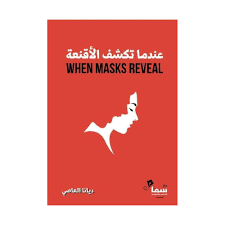
Three twin girls: “Amira”, “Malak” and “Maryam”. Their mother died after giving birth to them, then they separated after they were adopted by different families, each of them experiencing their own different battles in life, then they came together in their twenties to live together in one house. In the end, all the characters in the novel understand their lessons in life and why everything that happened in their lives happened, because everything happens for a reason and for the wisdom of God.
If we do not understand life's lessons for us...the same painful situations will continue to be repeated to us in the form of different people, forms, and situations, and we will continue to complain about our situation. Until we stop living the role of the victim and take responsibility for our lives and our choices in them, we understand why what happened to us happened and what was the wisdom behind it all? Only then will we stop playing secondary roles in other people's stories, and we will be the heroes of our own story