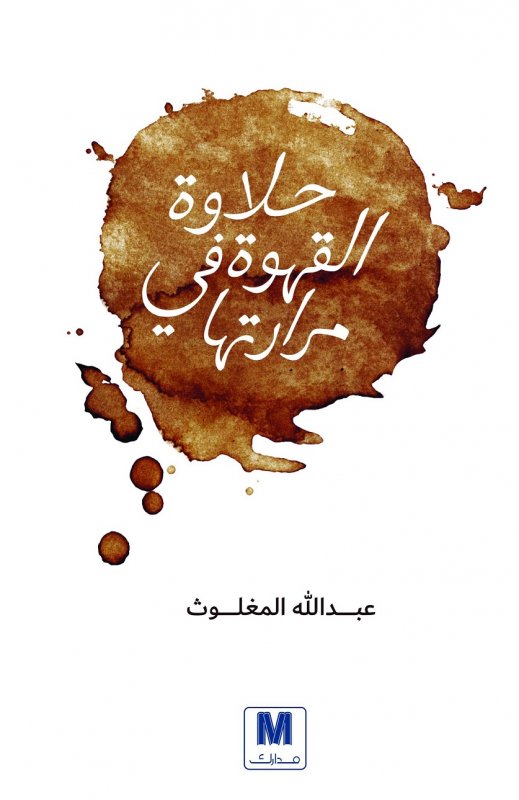
Where poetry is water, a cloud of perfume and rain, circling around the playing fields and the hum of things, only the poem is, when the poet’s soul is present, and his eternal, shortened yearning is present at the dock of wishes and the nooks of words. The moment of poetry is the poet’s feeling and pulse, his dream, and his vast, generous imaginations, a moment. The growing love, spreading the light within us, as if quenching a thirst.
Poetry is imagination, and perhaps a supplication creeps from behind words to make a supplication and weave a story. True poetry is us with all the beauty we carry and the feelings we harbor. It is something that flows like magic, making the moon rise.
The poem is some words that express us, and they may not express us, they leave us with pain and fatigue, as if the alphabet in its hidden secret refuses to be us/us, to become strangers to us. Here is an attempt to translate the self, and another attempt to express the other in some way, which may make him one of those whom the words here draw. .
In this literary work, I, you, and them, let us read with love, color the sky with joy, and follow the words.
About the book
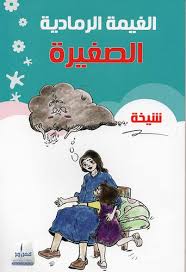
The book is a short story for children about the life cycle of water in a simplified way. It explains the effect of sunlight and how it helps in changing the state of water to vapor and how clouds form until the water returns to the earth through a story that the mother tells to her little girl Maha, starting with Maha, who loves rain and prepared Her rain clothes are red and she asks her mother how the rain falls, and her mother tells a story about the sun’s rays and the rays releasing the water on the ground, and how it turns into steam and how the steam turns into a small cloud through a machine similar to a cotton candy machine. This is her first experience of traveling with the wind and seeing the desert. Mountains and valleys, and its rain falls on the Silver City until you pass by the village inhabited by Maha and see them playing, so you decide to return all of them to the earth to be with her.
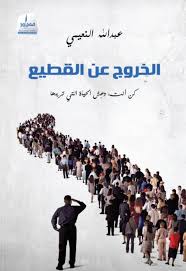
Leaving the herd:
A book about awareness and improving the quality of life, through returning to oneself, and respecting the human right to determine his true choices and preferences, and what he likes and dislikes... without coercion, and without having to go along with others in their convictions... The book consists of a set of brief lessons in thought, morals, emotion, and relationships. It is written in a smooth language, suitable for all ages. The book is considered an extension of a group of books that the writer has previously published in recent years, including Al-Comedino, Al-Dongguan, The Camel Café, and Al-Marakibi.