Fifteen years after his military coup and his control of power, General Bionche decides to respond to popular and international pressure and hold a presidential referendum that determines his fate. The Minister of the Interior summons advertising expert and former detainee Adrian Bettini. To convince him to lead the campaign to make Pyoncé a success, the leader of the opposition coalition consisting of sixteen discordant parties proposes to Bettini a crazy idea: running the election campaign for the “No” campaign, which is embodied only in a short television advertisement.
Instead of the usual focus on the massacres, detainees, and the horrors of the past period, Bettini suggests that the title of the campaign be: Joy is Coming. Will a fifteen-minute announcement succeed in overthrowing a dictatorial rule that lasted fifteen years?
In an optimistic, poetic style, Scarmetta tells a true struggle story of hope and joy, in the darkest of times, in a country longing for freedom.
This research discusses language as a distinctive feature of a society (Syrian society), and monitors the changes that have occurred in it as the political, economic, cultural and social circumstances of this society change according to the context in which events take place, especially in light of the wave of protests that swept many countries in the Arab world in the context of what was called "Arab Spring"; The linguistic change witnessed by this society was shaped by the collective influence of those regions that witnessed these protests and is spreading thanks to the globalization of cultural communication that exists now.
Khanir and Katara:
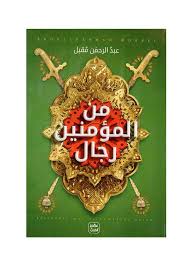
The book Khanir and Katara from the Emirates is considered a live and live broadcast in which it displays the manual techniques and technical skills for crafting and manufacturing the most famous and valuable daggers and swords in the Emirates, as it displays the manual techniques and decorative arts that forged the daggers and swords of the rulers and sheikhs of the Emirates, which reveals the artistic and aesthetic creativity of traditional manual work and how the craft was transmitted. Genetically among the sons of Al-Sayegh Muhammad Al-Naabi. The Katara in question in the title of the book is the Katara of the head of state and the one who published the cover of the book, while the Katara in question in the title is the Katara of Sheikh Sultan bin Saqr II, may God have mercy on him and forgive him. The title includes the most important national heritage symbols of the UAE.
A heritage, technical and artistic book that represents a living workshop for the craft of crafting swords and daggers in the UAE for the author’s family. The author used many mental processes to support the facts and achieve scientific credibility of the information, in addition to field visits and personal interviews. Documenting the information was based on observation through cohabitation and linking information and facts shared with global civilizations on the other hand. The technical, the artistic, and the craftsman. The writer also relied on deduction, inference, comparison, and analysis to arrive at facts that had no scientific reference in the craft environment.