... "وبعد… فهذا خِتامُ ما كتبَهُ "شمعون بن زخاري"، والملقب بشَمْعون المَصْري، عن أخبارِ بني إسرائيل في برية سين، وما كان من أمرِهم منذ عبور البحر وحتى وفاة موسى بن عمران. وأعلم أني ما كتبت في هذه الرقاع إلا أحَدَ أمرين، أمر شهدته بعيني أو أمر سمعته من رجل من الرجال الثِّقات. وأُشِهد الربَّ (إيل)، أني ما بغيْتُ بهذا الكتاب مجدًا ولا شرفًا، وإنما إظهار شهادتي على جيل من شعب بني إسرائيل، اصطفاه الله وأنجاه بمعجزة من عدوِّه، ثم غضب عليه وأهلكه في تلك البرية القفراء، بعد أن أذاقه شقاء الارتحال ومرارة التيه. هذا كتاب لا أدري من سيكون قارئه، فأيًا من تكن أرجو أن تتذكر كاتب هذه الأبواب بالرحمة وأن تَدعو له بالغفران" شمعون بن زخاري بن رأوبين الملقب بشمعون المصري تم في الليلة الأخيرة من الشهر الثامن لسنة ستين بعد الخروج
About the book
(It is not the end...there is another life)
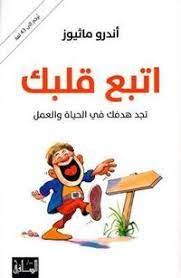
This book aims to make the employee aware of the stages of life that he will inevitably go through and the extent of the changes that may occur from one stage to another. Talking about the stage that precedes the retirement stage, the spotlight also focuses on the stage in which his professional life ends, meaning (the retirement stage) and what comes after it, which is considered one of the most important stages because it is the last and there is no other stage.
The book also contains within it the most important problems and difficulties that an employee may face in his work and how to deal with them without fanaticism and impulsiveness.
The topic of retirement is discussed transparently and clearly to show the reader what it is and what changes may occur to the retiree in various aspects (material - social - psychological...). What is the correct way to cope with the decision to retire?
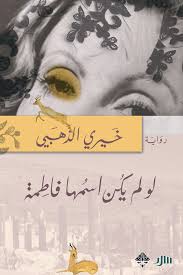
Salman visits the dead cities to make a documentary film about them, those cities that were symbols of ancient civilizations, before they became cities of broken columns and stone remains. But he finds there, in the house of one of the city's elders, a painting of a wounded deer, signed by his mother, "Fatima." Soon, the owner of the house presents him with possible scenarios for his film, all of which revolve around “Fatima,” and he finds himself entering a magical world and a confusing maze as he spies on the hidden faces of his mother, realizing that he only knew one face of her.
In this novel, Khairy Al-Dhahabi manipulates times and multiple voices to write about dead cities and Fatima with its many mirrors. Who is she? What is its truth? What is the secret of wishing? “If her name wasn’t Fatima”?