أثار كتاب الشعر الجاهلي ﻟ «طه حسين» موجة عاتية من النقد والجدال الذي أخذ عدة نواحي فكرية ودينية وأدبية، وتسببت بعض الأفكار الجامحة الواردة في الكتاب في اتهام مؤلفه بالكفر والزندقة، ولما كان منهج الأدباء والمفكرين في الرد على خصومهم يلجأ لمقارعة الحجة بالحجة، وعرض الحقائق والأفكار فقد انبرى عدة مفكرين كبار لتفنيد ما جاء بهذا الكتاب وكان «الرافعي» أبرزهم، حيث انتصر للدفاع عن تراثنا القديم كما بين بعض المغالطات التي ذكرها حسين، وقد ارتكز المؤلف في دفاعه على ذخيرته من الثقافة الإسلامية خاصةً آيات القرآن الكريم وتفسيره، فكان هذا الدفاع تحت راية القرآن العظيم
Remembering his childhood, Miguel tells of a wooden statue the size of a man, carved by a musical instrument maker before his death, so the people of Itape decided to place it at the top of the hill, so that it would become a landmark of the village. Massive events and wars take place, and the novel branches out to narrate the events of two decades of Paraguayan history, before returning to that hill with its steadfast statue, which has become very symbolic.
Rua Bastos shows history from the perspective of ordinary people, poignantly depicting their attempts to rebel against authority, revealing the brutality of the ironies of history when these people are forced to kill and die in senseless wars that they fight while standing with the very authority against which they rebel.
Using a linear sequence in narrating the events of his novel, and painting a huge mural about Paraguay, Rua Bastos writes, in a tight plot, his novel, which the great Argentine writer Borges said was one of America’s best novels...
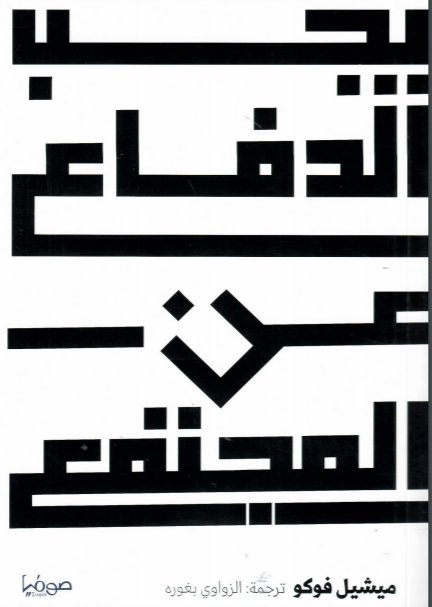
The traditional perception sees that criminals have violated the social order and public peace. Therefore, they must be punished publicly, as the presence of spectators confirms and justifies the judge’s ruling on the one hand, and achieves the authority’s goal of deterring others from repeating the crime on the other hand. This deterrence does not come only from the fear of physical harm due to punishment, but also from the fear of feeling shame and disgrace. Which can only be achieved with witnesses to the humiliation taking place.
But how are societies formed that accept such practices, or even demand them? What political systems allow humiliation, and what systems try to prevent it? Can we say that humiliation is only related to the “Dark Middle Ages” period, or has the “bright,” luminous, and enlightened modernity brought with it new methods of shame of its own and invented new practices of humiliation?
In a stunning analysis of historical and contemporary events, German historian Uta Frevert shows the role that humiliation played in building modern society, and how humiliation and the sense of shame it generates were used as a means of control, from the worlds of politics to school education, and that the art of humiliation is not only a thing of the past, but has evolved to suit... The changes of the twenty-first century, in a world where humiliation is not only from the political forces that control us, but also from our peers.
إذا كنت تعاني مشكلة في إنقاص الوزن, ففي هذا الكتاب إستراتيجية أؤمن حقًّا بفاعليتها وقدرتها على مساعدتك بقية حياتك. لقد حظيت بحياة رائعة، أعطتني فرصة التواصل ...
إلى أفضل أم على الإطلاق بقلم ايزوبيل كارلسون ... الأمومة أكثر من مجرد خلق حياة جديدة، فهي تعني منح نعمة حب هائل لإنسان آخر، حب يختلف عن أي حب آخر. يتفتح هذا الحب في الأيام القليلة الأولى من حياة طفلك ويبدو كأنه لا يمكن أن يزداد قوة. ولكنه حب لا يتوقف أبداً عن النمو.