Mario Rota, a professor of linguistics, falls while doing his usual morning exercise, spraining his ankle. When he returns to his apartment, the landlord introduces him to the new tenant, Daniel Berkwix, who will live next door to him.
Starting from that moment, everything will change in his life, as the new tenant is his colleague not only in housing, but also at work, and threatens his existence and status. Things will get worse when he visits him in his apartment, and discovers that it is a mirror copy of his apartment itself, with its contents and arrangement.
In the novel “The Tenant,” Javier Cercas writes in a graceful and enjoyable narrative, a breathtaking story that we have no choice but to follow page after page to find out the fate of its hero, and how he will face his new circumstances, while everyone warns him after he checks on his ankle: “The stupidest things can get complicated.” Life sometimes."
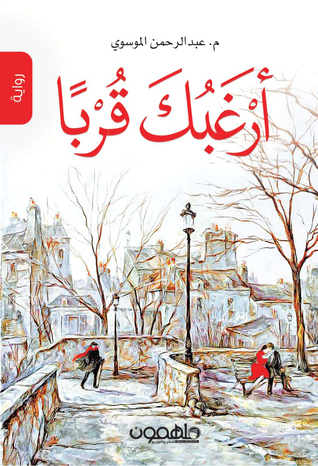
تناقش صراع قلب الرجل بين حب امرأتين، ويرصد قصة حب بين «أريام» (صمود الكندري) التي تدافع عن حبها ضد الظروف السيئة التي تعيش فيها وتعاندها، في الوقت الذي وقعت فيه في حب «بشار» (عبد الله بوشهري)، وتعلقت به رغم زواجه من امرأة أخرى هي «دانة
UAE is a homeland journey:
Therefore, in that book, I was keen to present a historical vision that explains and narrates the great efforts of the founders of the United Arab Emirates, and then the progress that the Emirates has achieved that is comparable to the great countries, and how the loyal men of our country established the concept of the national state, and the keenness to protect the homeland against any threat or danger, and on It is necessary for the new generations of the people of this dear country to follow the same path as our great grandfathers and fathers who sacrificed the precious and valuable in order for the banner of this great country to remain.
The traditional perception sees that criminals have violated the social order and public peace. Therefore, they must be punished publicly, as the presence of spectators confirms and justifies the judge’s ruling on the one hand, and achieves the authority’s goal of deterring others from repeating the crime on the other hand. This deterrence does not come only from the fear of physical harm due to punishment, but also from the fear of feeling shame and disgrace. Which can only be achieved with witnesses to the humiliation taking place.
But how are societies formed that accept such practices, or even demand them? What political systems allow humiliation, and what systems try to prevent it? Can we say that humiliation is only related to the “Dark Middle Ages” period, or has the “bright,” luminous, and enlightened modernity brought with it new methods of shame of its own and invented new practices of humiliation?
In a stunning analysis of historical and contemporary events, German historian Uta Frevert shows the role that humiliation played in building modern society, and how humiliation and the sense of shame it generates were used as a means of control, from the worlds of politics to school education, and that the art of humiliation is not only a thing of the past, but has evolved to suit... The changes of the twenty-first century, in a world where humiliation is not only from the political forces that control us, but also from our peers.