وتستمر ملحمة الإنتقام والثأر ومرارة الفقد بداية من الفتنة التي ابتدأت من عند وصبان وآشور وبكل الأحداث التي تسببت بها والتي نقلتني بعييداً بكل جزء من تفاصيلها وسحرها مابين هجر،بلاد فارس، أرض الحجاز وجبل آريان ، تنتهي السلسلة عند دعجاء وأفسار.. لاتقل الرواية حبكةً وتشويقاً وإثارةً عن سابقتيها رغم بساطة الأسلوب إلا أنها عظيمة بمحاكاتها لوضع عالمنا العربي الحالي.. تحمل في طياتها الكثير من الرسائل والحِكم ... ختامية موفقة ورائعة لسلسلة عظيمة
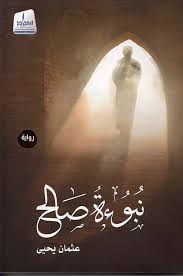
Black peacock:
A novel centered around the methods used by political organizations, particularly ideology, to create their individuals who are assigned special roles and at planned times. The social and psychological conditions that the main character in the story goes through are exploited and employed skillfully by the organization to perform their roles efficiently in the future.
The black peacock is a very complex human condition. It appears within the text with different masks and at multiple stages of time. According to this condition, its owner is forced to wear masks that suit every stage of his life and are consistent with the role assigned to him within a long path that was mapped out in advance while he was still young. The novel presents its mysterious main character in two parallel narrative lines, once in the mirrors of others and again in an internal monologue of the same character as she struggles with death on the surface of the river.
The story begins with the story of the mysterious advisor Taj al-Din, one of the leaders of the Islamic movement and one of the mysterious influencers in government, and his strange, transforming personality, with many confusing masks, to delve into the details of a long period of modern Sudan’s life extending from the seventies of the last century, from the years of Nimeiry’s rule and extending To the beginning of the new century, filled with many events that changed the course of political events in the country.
The name of the novel is taken from an adjective given to its secret hero, Adam, when he was thirteen years old when he was serving his sentence in a juvenile facility for killing his mother, her husband, and their son. At this stage, the organization pays attention to Adam's personality and his tendency to violence, and is preparing for the years in which Islamists will rule the country. The novel presents the main character from two angles: as a perpetrator who trapped many victims, and as a victim who was deceived and fell into the trap of violence.
Adam is transformed by the game of masks into Ammar Al-Barakas, Shaker, Taj Al-Din, and many other names. Thanks to it, and thanks to his deep culture and exceptional abilities, he became one of the arms of violence that the authorities exploited to discipline their opponents during the third democracy period, which lasted between the years 1986-1989, and then used it in its multiple wars in South Sudan. And Darfur, which the alleged advisor himself admitted in his narration of his memories in a personal monologue during his struggle with death.
The novel begins with the scene of the enigmatic and enigmatic man (Taj al-Din) moving to the Burri neighborhood, located east of the capital, Khartoum, close to the shore of the Blue Nile, where he kept his distance from his neighbors until the moment his death was announced in the plane accident, without any reference to his name among the missing. The question mark over the man's fate haunted the imagination of his chance neighbor and former companion during his university days, Judge Al-Naim Darraj. He is provoked by the story of the man who wore different masks, so he travels the country in search of the turning point in the path of the mysterious man before he solves all the mysteries in the end.
In the thirties of the twentieth century, the writer Agatha Christie came from London to the city of Amuda in Syria, where she lived with her husband, the archaeologist Max Mallowan, for a period of time, and there she wrote her diary, “Come Tell Me How You Live,” in which she narrated pictures of her adventures in life in Syria and Iraq. .
After less than a hundred years, Haitham Hussein was forced to emigrate from his small city of Amuda to Damascus and from there to multiple stops: Dubai, Beirut, Cairo, and Istanbul, all the way to London, where he wrote his biography, responding to Agatha Christus about how he lives, and in which he depicts the paradoxes of his journey to search for a safe haven. For him and his family.
خلف الأبواب المغلقة، تدور العلاقات الأسرية بين الآباء والأبناء، علاقات من المفترض أن ترشد الأبناء إلى مستقبلهم، داعمة لهم، مؤمنة بقدراتهم، ومتقبلة لطبائعهم المختلفة والمتفردة. غير أن ما نكتشفه جيلا بعد جيل، هو خروج الأبناء إلى عالم الكبار بثقة مزعزعة في المستقبل، وفي أنفسهم، محملين بأثقال ماضيهم الذي دارت رحاه في عوالم طفولية غير مرحبة باختلافاتهم، غير متفهمة لطبائعهم، وغير مشجعة لطموحاتهم وأحلامهم. ماذا يجري من أحداث خلف هذه الأبواب المغلقة؟ وكيف تتحول طفولة أبنائنا من واحة طمأنينة إلى فخ مرعب يلتهم تفردهم وإبداعهم، ويحولهم إلى أعداء لأنفسهم؟ وما السبيل إلى الخروج من هذا الفخ؟ يخوض الكتاب غمار هذه الأسئلة، ويحاول أن يقدم رؤية نفسية فريدة لطبيعة العلاقات الأسرية المشوهة، مقترحا مسارا للخروج من فخ الطفولة المسيئة، مبنيا على أسس علاجية تدعمها خبرة المؤلف في مجال العلاج النفسي.