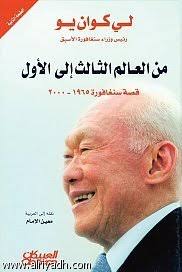
لم يتوقع سوى قلة قليلة من المراقبين أن تمتلك سنغافورة الصغيرة فرصة كبيرة بالبقاء، حين منحت استقلالها عام 1965م. فكيف - إذن- أصبحت المحطة التجارية النائية ...
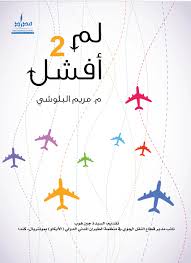
I did not fail 2
A book on development and motivation that focused on the period of assignment at the International Civil Aviation Organization in 2010, which is one of the United Nations organizations, and the many confrontations and challenges that occurred during this period with various nationalities, the period of intellectual transition to internationalism and the establishment of a negotiating personality, which was rejected on the day of travel until it became A chief negotiator with a vital file who travels to many places. The book also discusses periods of frustration, success, and learning from many Arab and foreign figures. Post 2010
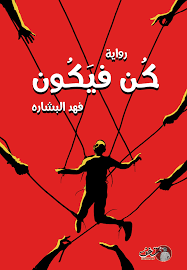
كن فيكون رواية للكاتب فهد البشارة تشاء انت من الاماني نجمة ويشاء ربك ان يناولك القمر عندما يشاء الله لا قيمة لقوانين الحياة عندما يشاء الله لا وزن لتدابير ..
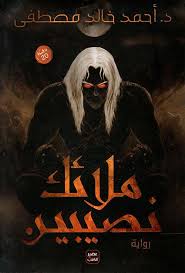
وإن كُنّا ملائك ولسنا ملائكة.. وما عبدنا إلا الواحد الأحدوإن في هذه الدنيا أجناس ..نفوس تهيم بلا جسدوإن سيرتنا قد أنورت وأبهرت.. في كل أسطورة عاشت إلى الأبدوأن هذا أوانها لنحكيها ونسردها ... فتبلغ كل ذي عقل ورشد