A man chose to live in his car. Through strange writings and drawings that appeared on the walls in the city of Paris, he sensed signs of an upcoming revolution.
The pale fox is a chaotic god from Africa. A group of illegal refugees bear his name and challenge the regime in France.
Who is this homeless person waiting for a coup? Who are pale foxes?
The subject of the book is about the meeting between them, which takes place today.
***
In The Pale Foxes, the writer matches nihilistic poetry with revolutionary politics. A breathtaking novel.
Allomand
Indian stories:
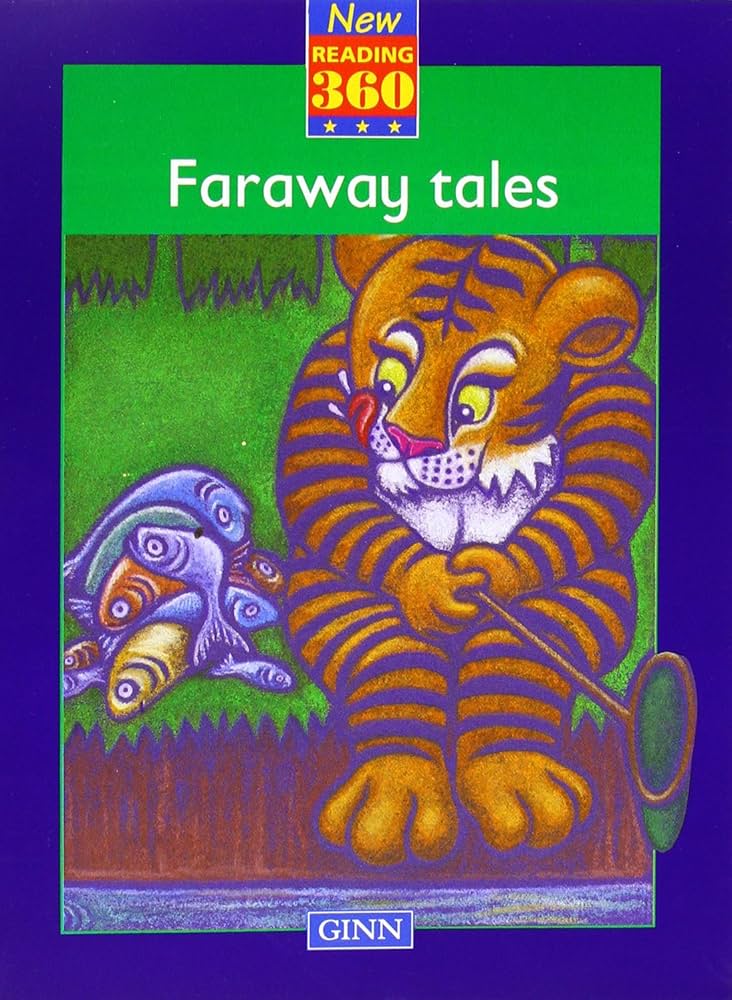
It is a story of the adventures of Hindi and her friends
These stories were written in a way that speaks to the mind and heart of the child, mixed with gentle educational and psychological messages, and with the template of adventures that are beloved for children.
Man had a beautiful dream about himself, and he aspired to transcend his human condition, but a succession of circumstances opened a wound in this dream. The dream began to bleed and fade away. As it atrophied, it began to take on forms and names. From time to time, a person became aware of his tragic loss and realized that he was working hard to prevent himself from descending from his human level to the level of an animal, and when he resisted, his resistance took on a form of madness, and in this book an attempt is made to touch upon something of... This bleeding is particularly within the context of creative expression. Perhaps these (introductions) could be an (introduction) to a more comprehensive research, or research, but we are currently in the stage of defending our right to insanity.
The novel tells about one week in the life of the Vaikai family, which embodies the nature of their life for many years. Husband Aakush Vaikai lives with his wife and daughter Patcherta in a house in a small, dull town called Charsaj. The reader soon learns that Bachirta is no longer young, but is thirty-five years old, and that she is very mean, which represents a great concern for the parents; She may never find a husband for herself, and they have reached a very old age, and death may take them at any moment. So their main concern was to hide their daughter's blood and protect her from the world. Excitement is great now in the family; Patcherta is preparing to travel to Tarku Farm, where her uncle Bella's family lives, to spend a week with them, and she will be away from them for the first time. The parents prepare their daughter for travel with fearful thinking. The parents haven't been going anywhere for a long time, and haven't been together for years. They go to church alone, and the reason is Bachirta's ugliness, which exposes them to severe embarrassment because people make fun of her. The parents drop Bachirta at the train station and say goodbye to her. During the week, parents feel more relaxed than they have ever felt before. Yes, they miss their daughter, but now they can meet old friends and hang out again without fear of any embarrassment. One time, the husband was playing gambling with his friends and drinking in a restaurant. He was very late, and the wife waiting at home did not know where he was, because he used to come home sometime before midnight. When the husband returns home, he quarrels with his wife. In a slightly drunk state, he speaks very frankly about his daughter's condition, which calls for ridicule, and says that perhaps it is better for them that his daughter travel and not be at home. It is clear from the mother’s words that she knows that the husband is right, because their daughter is ugly and very ugly, and therefore it is difficult for her to adapt to society or find a place for herself in it, but nevertheless she strongly defends her daughter, and tries to spread hope in her husband, and even in herself first. The week passes, and the parents head together to the train station to receive their daughter. The train is late and they start thinking bad things, but Bachirta arrives in the end. The father feels that all is not well with Bachirta. He knows that his daughter was, in fact, a burden to everyone on her uncle's farm, and she could not adapt there and even Uncle Bella's guests did not accept her. Patcherta lies on her bed in her room and starts thinking. He was surprised that her being away from home was in vain. She learned that although they welcomed her at the farm with love and treated her kindly, she was an obstacle in everyone's way. She turns the pages of her life in front of her, which only involves cooking, washing, and cleaning all her days. She begins to sob, and so that her parents do not hear her crying, she covers her mouth with her pillow, which is what she has done all her life. The novel deals with an issue that is widespread in our Arab culture now, which is the delay in the age of marriage for girls and the fear of spinsterhood, and discusses it from the perspective of the prevailing culture in Hungary in the second half of the nineteenth century. The novel also addresses some of the behaviors that occurred in society in that period and were strange to it at that time. It is denounced by the majority of people, especially the elderly who grew up in a world with better morals.
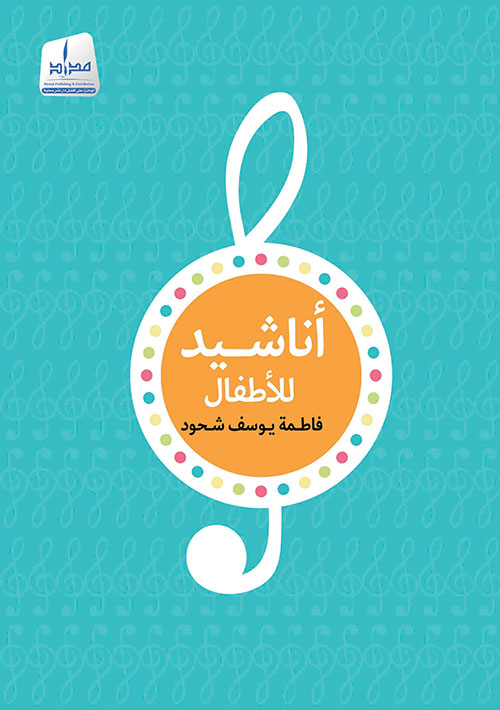
These thoughts are hymns for joy and happiness, and hymns for giving and giving to others and to oneself, alike to the two. What is important is that this giving be purely for the good and a giving that does not expect to be returned with the same. For our giving to be beautiful and wonderful, we must distribute it like pieces of candy that are distributed to children without any expectation from them to pay. Its price.
It is a call for love, tolerance and familiarity for all, as they are all human values that do not recognize spatial or temporal boundaries. Their boundaries will be drawn after they prevail in a world that needs many stimulating doses of them, and our role is to take these doses one dose after another.
I leave you with some hymns of happiness, away from the world of sorrows and worries, and doses of hope that we have drawn and colored with the colors of happiness.