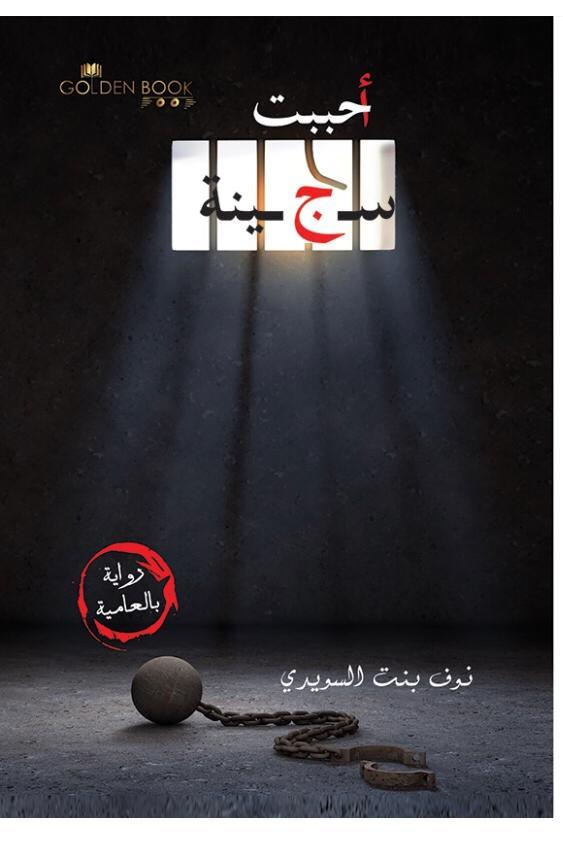
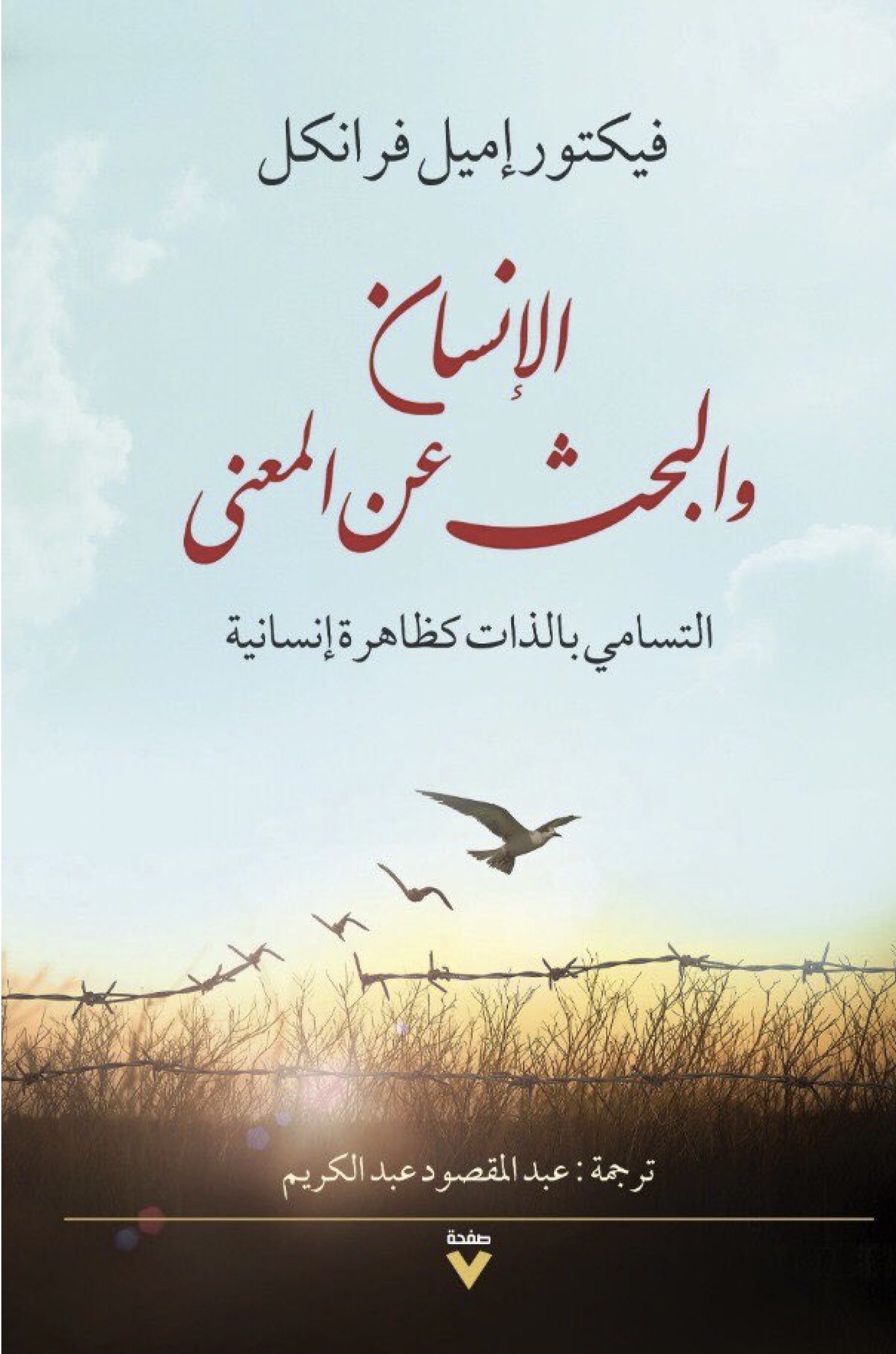
To every female.. Sadness brought her down, her soul withered with worries, the ax of disappointment broke her, tremors of fear occupied her blood, and breaths were considered pain. To whom...the roots of joy were uprooted from her, and the darkness of life intensified for her until she suffocated, and the nights' passages tampered with her... To everyone who tried to plant love in a waste land, and became addicted to waiting, and reaped nothing but thorns.. To everyone who begged for love in the land of haters.. . . Pull yourself together and shake hands with life again..
Lesson from experience: In this life, a person goes through many experiences and is exposed to great challenges so that he can gain the necessary experience to become more mature and more able to adapt and accept, and then the ability to go through more experiences and overcome difficulties. The deeper he goes into this life and the more he goes through those experiences, the more his personality and reality are created, and the more The experiences varied between positive and negative, as they had a significant impact on his reality and future, not to mention that they made him more aware in dealing with life’s givens and requirements. A lesson from experience that reviews some aspects of life and their impact on a person’s reality and future in the form of articles that came spontaneously every day with the sunshine of every morning and were collected between the covers of this book to address the reader’s mind and touch his heart...
It happens that a story creeps into your depths, shaking you violently and challenging you to turn away from it. This is exactly what happened to me with the story of the Nightingale. The truth is that I did everything in my power not to write this novel, but my research into the subject of World War II led me to the story of the young woman who made an escape route from occupied France, and I could not escape from it. Thus, her story became the starting point, and in reality it is a story of heroism, risk, and unbridled courage. I could not distract myself from her; I kept digging, exploring, and reading, until this story led me to other stories that were no less amazing. It was impossible for me to ignore those stories. Thus, I found myself under the weight of one question haunting me, a question that remains as valid today as it was seventy years ago: Under what circumstances would I risk my life as a wife and mother? More importantly, under what circumstances would I risk my child's life to save a stranger? This question occupies a major position in the novel The Nightingale. In love, we discover who we want to be; In war, we discover who we are. Perhaps sometimes we do not want to know what we can do to survive our lives. In war, women's stories have always been ignored and forgotten. Women usually return home from the battlefields, say nothing, and then move on with their lives. The Nightingale is a novel about these women, and the bold choices they made to save their children and maintain the lifestyle they had become accustomed to. Kristen Hannah
We must contemplate the secret of Homeric creativity in the epic narrative. So Homer does not care about telling only what happened in his epic “The Iliad,” but he is more interested in presenting the context of what happened and depicting the world in which this event occurred. We find events covering the universe from above Mount Olympus - the snowy sky - to the depths of the raging sea and the burning forests, and even the depths of the human soul itself in all its conditions, whether good or bad.
The events also cover gods, humans, the animal kingdom and birds. So we are dealing with a depiction of a universal existential situation, not a passing individual event. We are faced with an integrated system in which all the features and various components of living things and things interact, so that in the end we obtain a poetic exploration of the universe and its working system.