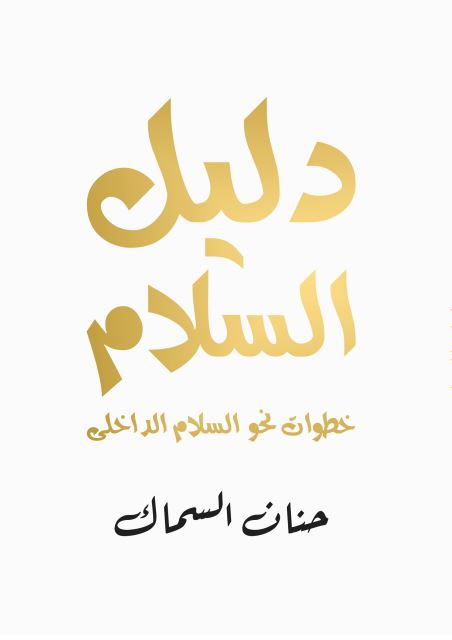
«دليل السلام» لحنان السماك هو بلسم القلوب المركّز في ثمانين حكمة ناصعة، تُرشد من ينشد السكينة إلى جادة الصفاء. لا هو كتابٌ تقني، بل مرجعٌ ظلّي للقلب. يمنحك دفعة نحو تقبّل الذات، فتح أبواب الرحمة الداخلية، ومهارة السمو فوق الزوابع اليومية
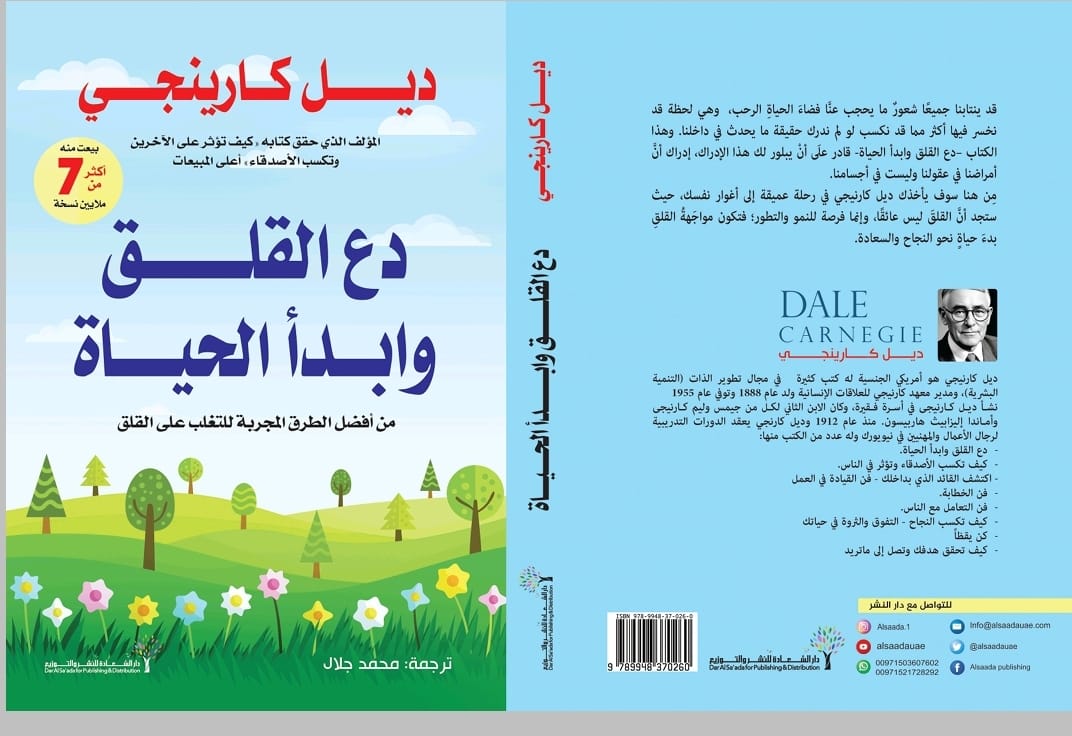
دع القلق وابدأ الحياة كتاب من تأليف الكاتب الأمريكي ديل كارنيجي، نُشر للمرة الأولى في بريطانيا عام 1948 وتتابعت طبعاتهِ وتنوعت ترجماته ليكون من أشهر وأكثر الكتب مبيعاً في العالم وقد أستغرق تأليفه 6 سنوات.
Between the pages of life
I found among the pages of life a realistic social story that talks about a woman who suffered a lot in her life and in various family, social, material and educational fields. The story revolves around real incidents and not from imagination. At times it will be sad and at other times it will be funny, but hidden within these situations and incidents is a valuable humanitarian message for every person. He will read the story. I hope that you will read this story with your hearts because it will really take you to that distant place in time and make you live its realistic experience and seek out those characters that you may find in the surroundings of your life, or perhaps they actually exist, but you have not known the truth about those hidden souls yet, and the story also revolves around. About the challenges and how this woman was able to deal with them despite her young age at the beginning and her lack of complete education and family support, but she challenged these circumstances through her optimistic outlook and her faith and trust in God Almighty. When a person puts his trust in God as he deserves, here the divine miracle and the wonders of its power in man appear.
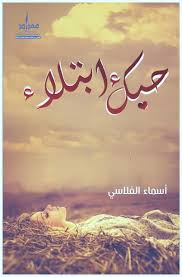
1- Poems and words that wander between the love of years, certain longing, and through stubborn imagination
With that beautiful patience, I find that separation is far and meeting is near
I can only tell you that... your love is a test...
2- Love and longing... imagination and patience... separation and meeting... in short, this is the test of love.
3- Poems and words describing the trial of love that combines love, longing, imagination, patience, separation, and then meeting.