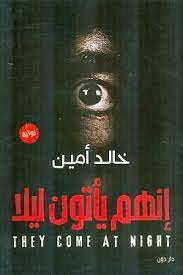
The most amazing thing about this story is that it is true! Not only because of the strangeness of its events, as the Renaissance era is rich in wondrous adventures, but the reason for its strangeness is the almost complete forgetting of it.
The two orphan children: Ghost and Columb are deceived; To participate in a colonial mission to explore the new world, as it is their only hope of meeting their father, the disappeared knight. This forgotten expedition is led by Philoganion, a warrior returning from the Crusades, bringing with him a diverse team of soldiers, workers, engineers, as well as an unprecedented element; Children of orphan age, the age that allows them to learn new languages quickly enough; To work as translators with the indigenous people.
On one of the most mysterious and exciting French campaigns of the Renaissance, and through the story of two orphans searching for hope and the human struggles they go through, in his book, which won the Goncourt Prize, Ruffin takes us on a captivating historical journey from the shores of France at the beginning of the era of religious unrest to Brazil with its red woods. To describe to us man's struggle with nature, and the first encounter between different civilizations, with the curiosity, fear, admiration, and passion it carries.
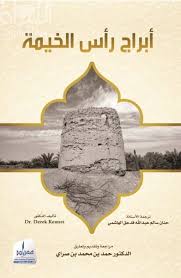
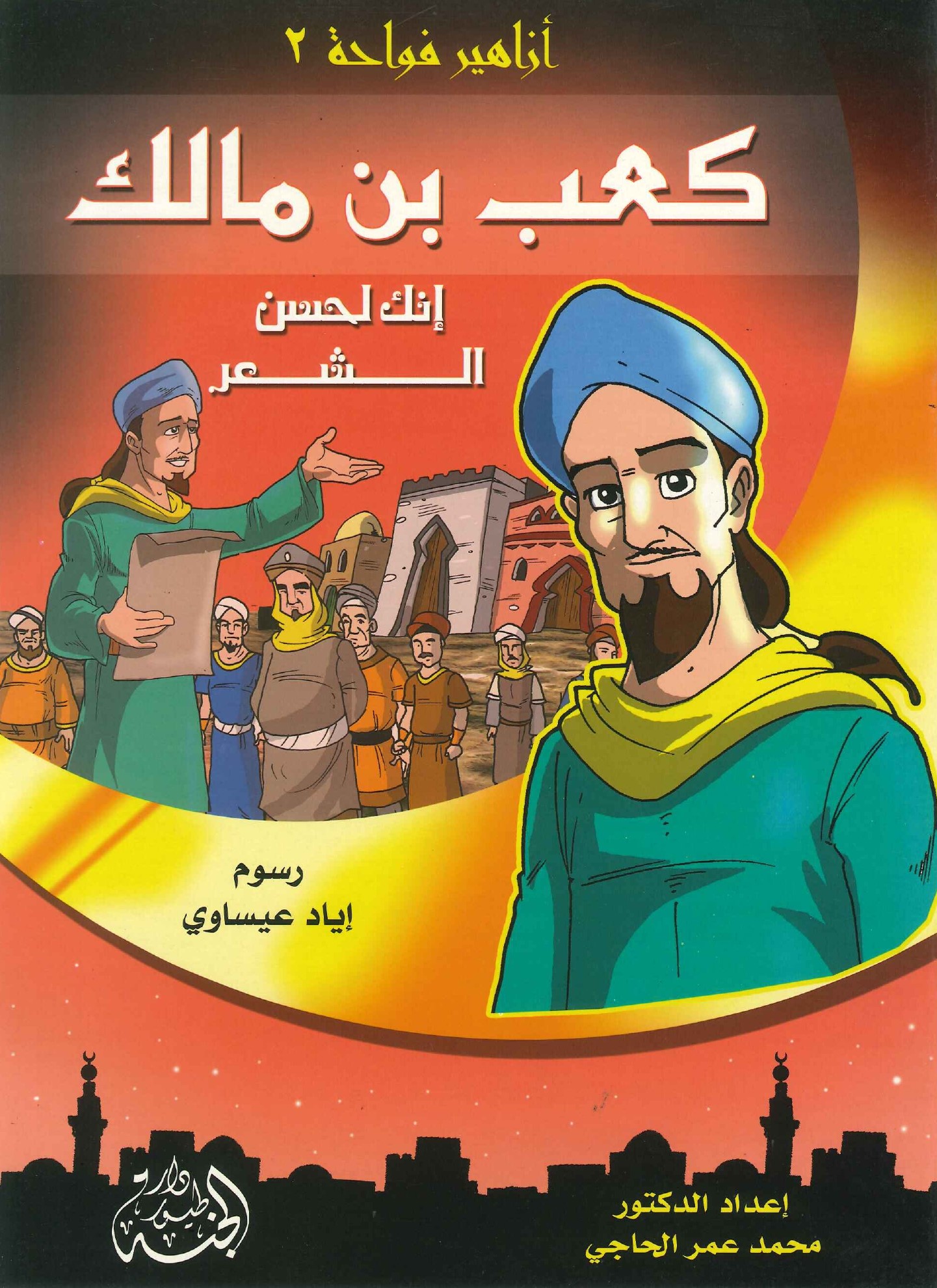
This story was written specifically for Emirati youth and adolescents and aims to connect them to their ancient past and their original environment and instill noble values in their homelands. The story takes a time from one of the most important periods of Emirati history, which is the end of the diving period and the beginning of the discovery of oil, to be an important turning point in the life of the hero of this story, which conveys in the context of its events the spirit Perseverance, diligence, and the values of patience and sacrifice, and enhance the sense of belonging and responsibility towards the land and society in its environment. We also note that this story develops the sense of communication with the sources of marine nature that have enriched the people of this earth. On the one hand, it confirms that fish wealth, with its abundant goodness, is a source of safety and reassurance. It also confirms that pearls With its high value, it is considered a source of struggle and an omen of happiness, and finally, oil, with its hidden treasures, becomes a symbol of luxury and assistance to all those in need around the world. The writer was able to establish these concepts indirectly and in a renewed heritage form that touches the understandings of new generations and takes them to the spaces of their fathers and grandfathers, thus achieving one of the most important desired goals. I hope that she will complete this work with a group of other works that come in this important context and are directed to the young people. Drawing them into the magical world of reading.
يقدم لنا كتاب محاط بالحمقى رحلة فريدة في أعماق السلوك البشري والتفاعلات الاجتماعية، يتناول هذا الكتاب ببراعة كيف يمكن للأشخاص المختلفين في طريقة تفكيرهم.
يضم كتاب «البدائع والطرائف» مجموعة من المقالات الأدبية ذات البُعد الفلسفي والصوفي التي تتحرى مواطن الجمال سواء في الفكرة أو في الكلمة التي تعبر عنها؛ فيحلل النفس الإنسانية إلى عناصرها الذاتية، ويتخذ من كلماته مرشدًا لتلك النفس التي يدعوها إلى عدم الأخذ بظواهر الأمور دون الاستنادِ إلى جوهرها.
Why poetry now?!
We live in an age of betrayals, conspiracies, and assassinations. We pant through twenty-four crowded, deadly hours in a frame of extended, neglected time that does not give any importance to our entire lives. We live in vortexes, labyrinths, and alienation. We live in oppression, fear, and hunger. So why poetry now?!
Who has time for poetry? Who has time to write poetry?! Who has time to receive poetry?!
Poetry riots against betrayal, conspiracy, and murder, or it riots against triviality, superficiality, and sorcery. If poetry does not say: “No” in a blatant, loud, and hurtful way, then it does not accept to say: “Yes,” even by cutting off its head.
It's that great positive thing. It is what confirms to us that we cry because we are not yet accustomed to humiliation and have not accepted it, that we bleed because we have not died, and that we are angry because we have not adapted to injustice. It alerts us to what we have almost forgotten, and reminds us that we are human, and that we are bigger and greater than our daily lives.
we are human beings. We must always remember this, and poetry must always remind us of this.
We are greater than profit and loss, greater than acceptance and surrender, or malice and evasion.
So poetry is necessary.
Therefore, a poet is necessary.