


تتناول هذه الرواية قصة الحاج مراد، وهو جندي حَظِيَ بتقدير كبير في الحركة الانفصالية القوقازية، لكنها تبدأ بانضمام الحاج مراد إلى معسكر الروس بسبب اختطاف الإمام شامل لعائلته.
يوافق الروس على مساعدة مراد، ويلتقي بهم. وقبل وصوله تدور معركة بين القوات الشيشانية والداغستانية، وعندما يصلون يكون هناك ضحايا.
يلتقي مراد بالأمير والعائلة المالكة. يُعد مراد محاربًا مثيرًا للإعجاب؛ ولهذا تهدي إليه العائلة المالكة ساعة متطورة أذهلته. وفي أحد الأيام، طلب مكتب الحاكم العسكري من الحاج مراد تدوين قصته.
في قصة مراد علمنا أنه ولد في تسيلميس. كان صديقًا لآل خان؛ لأن والدته كانت تعمل ممرضتهم الملكية. طلب القوم مساعدته في الجهاد ضد روسيا. تردد لكنه وافق. كان شامل (الرجل الذي اختطف عائلة مراد) قائدًا لهم، وفي هجماتهم الأولى، هاجموا خنزاخ، وقتلوا المسؤولين الروس هناك. كان هجوم شامل متهورًا، ومات شقيق مراد، لذلك عندما طلب شامل من مراد مواصلة القتال، قال إنه لن يتبع شامل؛ لأن شامل تسبب في مقتل شقيقه، ولهذا السبب أخذ شامل عائلة مراد رهينة.
يوافق الروس على مساعدة مراد في الانتقام من شامل، لكن الوزير يقف ضده. يتحدثون عن القيصر، ويوضح الراوي أن القيصر رجل كسول يفكر كثيرًا في نفسه، ويسيء معاملة النساء. يخبر الوزير القيصر أن مراد جاسوس؛ لذلك عندما يهاجمون القوقازيين، قد تكون عائلة مراد في خطر، ويهرب من القلعة لإنقاذ عائلته.
تتسارع وتيرة القصة حتى نصل إلى لحظة الغدر بالحاج مراد والجنود يرفعون رأس مراد المقطوع في الهواء. تنتهز ماريا، صديقة مراد، الفرصة لانتقاد قسوة الحرب البشرية ووحشيتها. ومع أنه قاتل ببطولة، فإن الروس انتصروا على القوقازيين، وقطعوا رأس الحاج مراد في النهاية.
Mindset بقلم كارول دويك ... World-renowned Stanford University psychologist Carol Dweck, in decades of research on achievement and success, has discovered a truly groundbreaking idea-the power of our mindset. Dweck explains why it's not just our abilities and talent that bring us success-but whether we approach them with a fixed or growth mindset. She makes clear why praising intelligence and ability doesn't foster self-esteem and lead to accomplishment, but may actually jeopardize success. With the right mindset, we can motivate our kids and help them to raise their grades, as well as reach our own goals-personal and professional. Dweck reveals what all great parents, teachers, CEOs, and athletes already know: how a simple idea about the brain can create a love of learning and a resilience that is the basis of great accomplishment in every area
Carol S. Dweck, Ph.D., is one of the world’s leading researchers in the field of motivation and is the Lewis and Virginia Eaton Professor of Psychology at Stanford University. Her research has focused on why people succeed and how to foster success. She has held professorships at Columbia and Harvard Universities, has lectured all over the world, and has been elected to the American Academy of Arts and Sciences. Her scholarly book Self-Theories: Their Role in Motivation, Personality, and Development was named Book of the Year by the World Education Federation. Her work has been featured in such publications as The New Yorker, Time, The New York Times, The Washington Post, and The Boston Globe, and she has appeared on Today and 20/20.
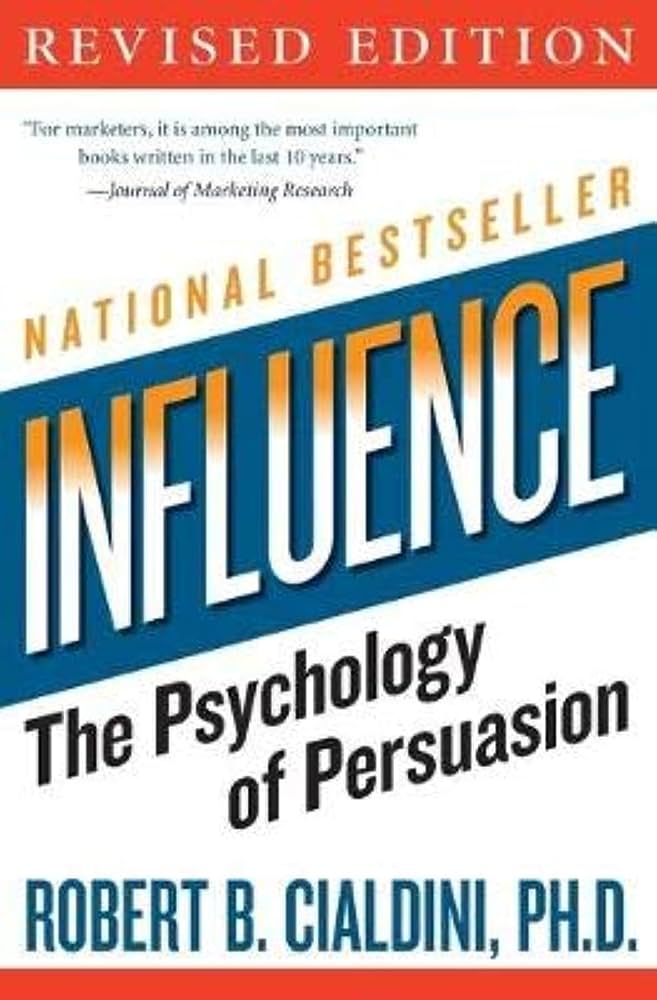
The widely adopted, now classic book on influence and persuasion—a major national and international bestseller with more than four million copies sold!
In this highly acclaimed New York Times bestseller, Dr. Robert B. Cialdini—the seminal expert in the field of influence and persuasion—explains the psychology of why people say yes and how to apply these principles ethically in business and everyday situations.
You’ll learn the six universal principles of influence and how to use them to become a skilled persuader—and, just as importantly, how to defend yourself against dishonest influence attempts:
Reciprocation: The internal pull to repay what another person has provided us.
Commitment and Consistency: Once we make a choice or take a stand, we work to behave consistently with that commitment in order to justify our decisions.
Social Proof: When we are unsure, we look to similar others to provide us with the correct actions to take. And the more, people undertaking that action, the more we consider that action correct.
Liking: The propensity to agree with people we like and, just as important, the propensity for others to agree with us, if we like them.
Authority: We are more likely to say “yes” to others who are authorities, who carry greater knowledge, experience or expertise.
Scarcity: We want more of what is less available or dwindling in availability.
Understanding and applying the six principles ethically is cost-free and deceptively easy. Backed by Dr. Cialdini’s 35 years of evidence-based, peer-reviewed scientific research—as well as by a three-year field study on what moves people to change behavior—Influence is a comprehensive guide to using these principles effectively to amplify your ability to change the behavior of others.
هذه روايه البيوت العربية وكأني عبرت الزمن وسكنت بيوت لم اراها من قبل ان كان هذا اول اصدار بهذه الروعه فكيف هو الاصدار الثاني كل الحب والتوفيق جميل الكتاب عباره عن أنوثة ودلال حرفيا بتلات الجوري الحرير الذهب في الصور الألوان الرسم قيشاني فن العجمي صور الرقيقة ايليا أبلغ ما أقول في وصفه أن الصمت في حرم الجمال خير من يمزج الأدب بثقافة الشعوب المختلفة أثار فيني الشوق لبيروت والحماس تونس وفيلا كاهنة
تتضمن القصص الشعبية اليابانية عادة شخصيات ومواقف طريفة وعجيبة ولا تخلو من الكائنات الخرافية والغيلان والشياطين وعفاريت الما إضافة إلى التنانين اليابانية وحيوانات أخرى ذات قوى خرافية